Easy Homemade Gyoza Wrappers
Learn how to make gyoza wrappers in this easy homemade recipe—fresh, chewy, and simple, it's a foolproof way to upgrade Japanese dumplings beyond store-bought!
Dish: Gyoza Wrappers
Variant: Easy Homemade Gyoza Wrappers
Source: How to Make Gyoza Wrappers (Easy Homemade Recipe) 餃子の皮
- Total time
- 1 hr 15 min
- Active time
- 1 hr 15 min
- Yield
38, 38 to 42 thin, 3-inch wrappers (using all the dough)38, 38 to 42 thin, 3-inch wrappers (using all the dough)
- Difficulty
- Medium
Ingredients and Constraints
Ingredients
Ingredient watchpoints2 watchpoints
Short requirements and tradeoffs to check while gathering ingredients; detailed source notes stay expandable.
Water
½ cup water ((just-boiled hot water; plus more, as needed))
The source row includes a form, size, temperature, preparation, or handling detail.
Details and source
Potato Starch
potato starch or cornstarch ((for rolling and dusting; or substitute regular flour if you‘re not freezing them))
The source ingredient row lists alternatives.
Details and source
Acceptable alternatives: Cornstarch
Source: How to Make Gyoza Wrappers (Easy Homemade Recipe) 餃子の皮
Additional ingredient notes
Ingredients for Gyoza Wrappers
all-purpose flour – I recommend medium-gluten flour; see below for more kosher salt hot water – just off the boil, to soften the proteins and make the dough elastic potato starch or cornstarch – for rolling and dusting, to prevent sticking
JUMP TO RECIPE Best Flour for Gyoza Wrappers Most gyoza wrappers are made with chūrikiko (中力粉), or medium-gluten flour, which has about 8–10% protein. This gives the dough a chewy but easy-to-handle texture.
Ingredients US CUSTOMARY METRIC 1X 2X 3X
2 cups all-purpose flour (plain flour) (or use equal parts of bread flour and cake flour; for best results, click the Metric button and weigh your flour; or see Step 1 for measuring tips) ½ tsp Diamond Crystal kosher salt ½ cup water (just-
Method Overview
Structured method notes that are separate from the step timeline.
What Are Gyoza Wrappers?
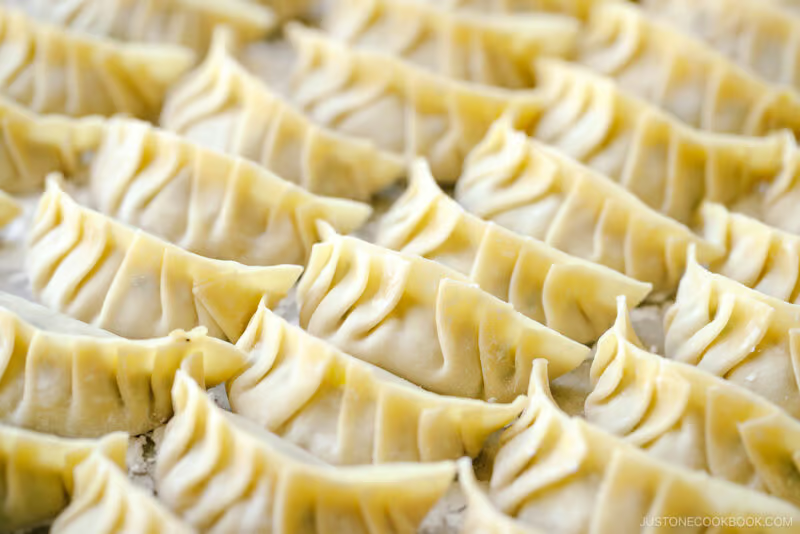
Gyoza wrappers (餃子の皮) are thin, round sheets of wheat dough used to wrap Japanese gyoza dumplings.
Compared with Chinese potsticker skins, they’re slightly smaller and thinner, which makes them easier to fold and pleat. They also cook quickly, giving gyoza a delicate, chewy texture.
Make the Dough
Sift flour into a large bowl.
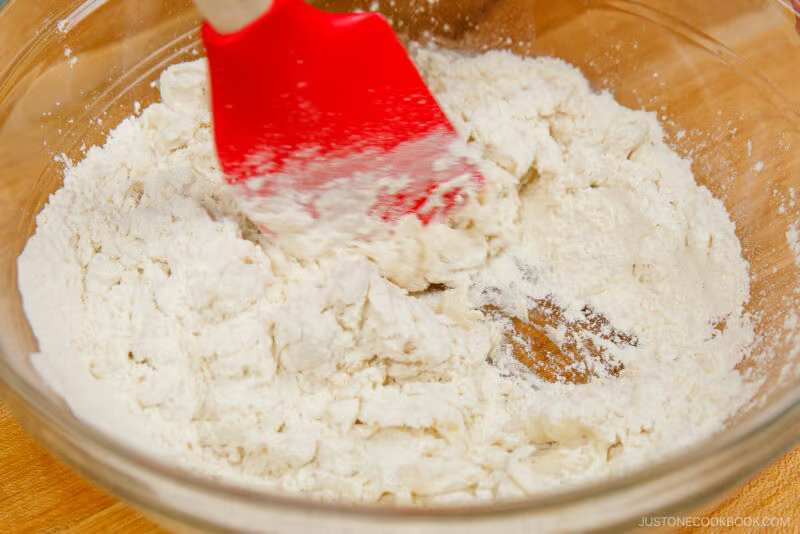
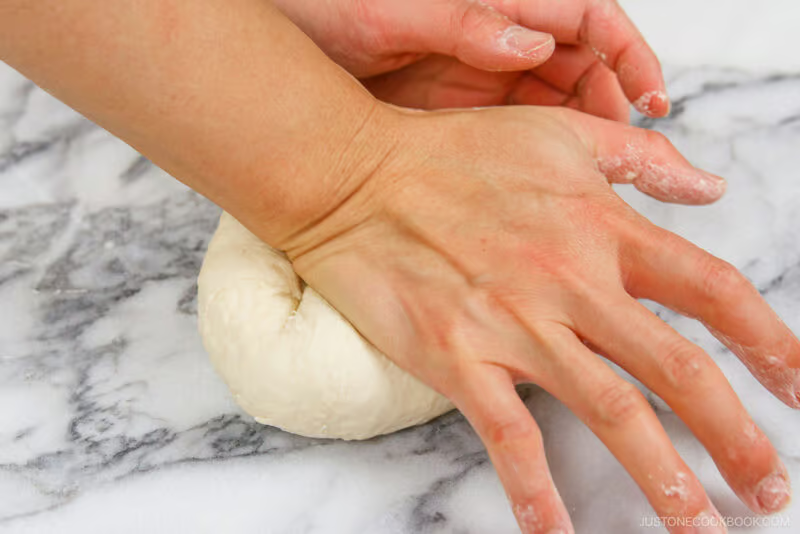
Dissolve salt in just-boiled hot water, then pour it into the flour in the mixing bowl a little at a time, stirring with a spatula until a shaggy ball forms. Knead the dough mixture by hand for 10 minutes until smooth.
Show 1 more media item
Nami’s Recipe Tips
Use hot water – It partially cooks the flour to soften the proteins.
This makes the dough elastic, smooth, and easy to roll for a tender, silky, and stretchy bite. Rest the dough – A 30-minute rest relaxes the gluten, makes rolling easier, and prevents shrinking.
How to Fold Gyoza
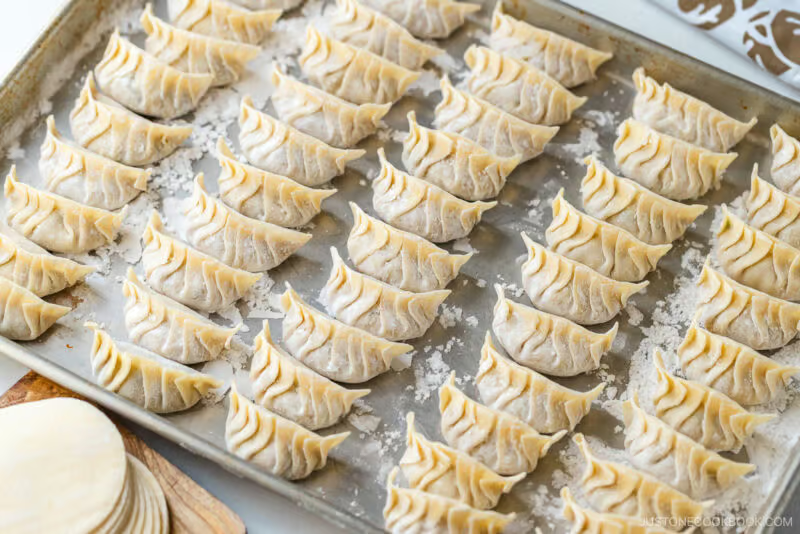
Follow my step-by-step How to Fold Gyoza guide to learn how to wrap the dumplings and add pleats.
Don’t worry if your folds aren’t perfect—homemade gyoza always taste delicious!
How to Use Gyoza Wrappers
In a total time of 75 minutes, you’ll have homemade wrappers for your favorite Japanese gyoza recipe.
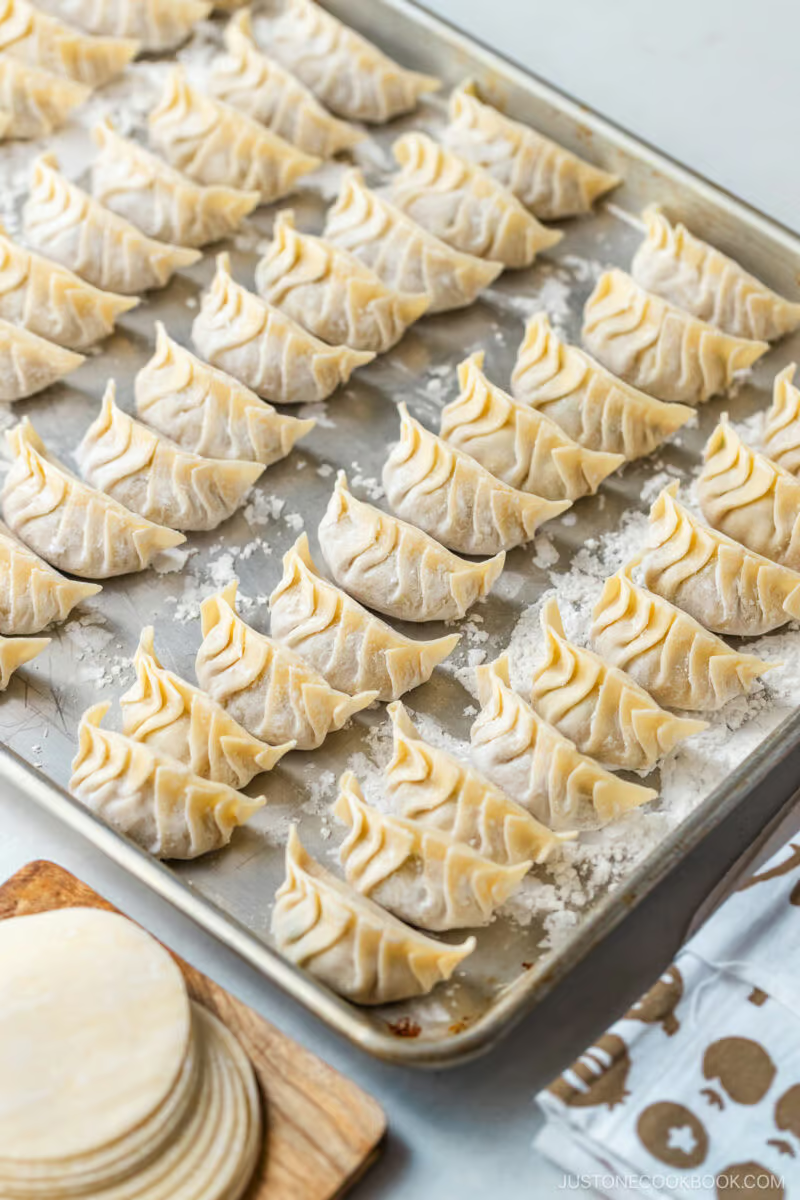
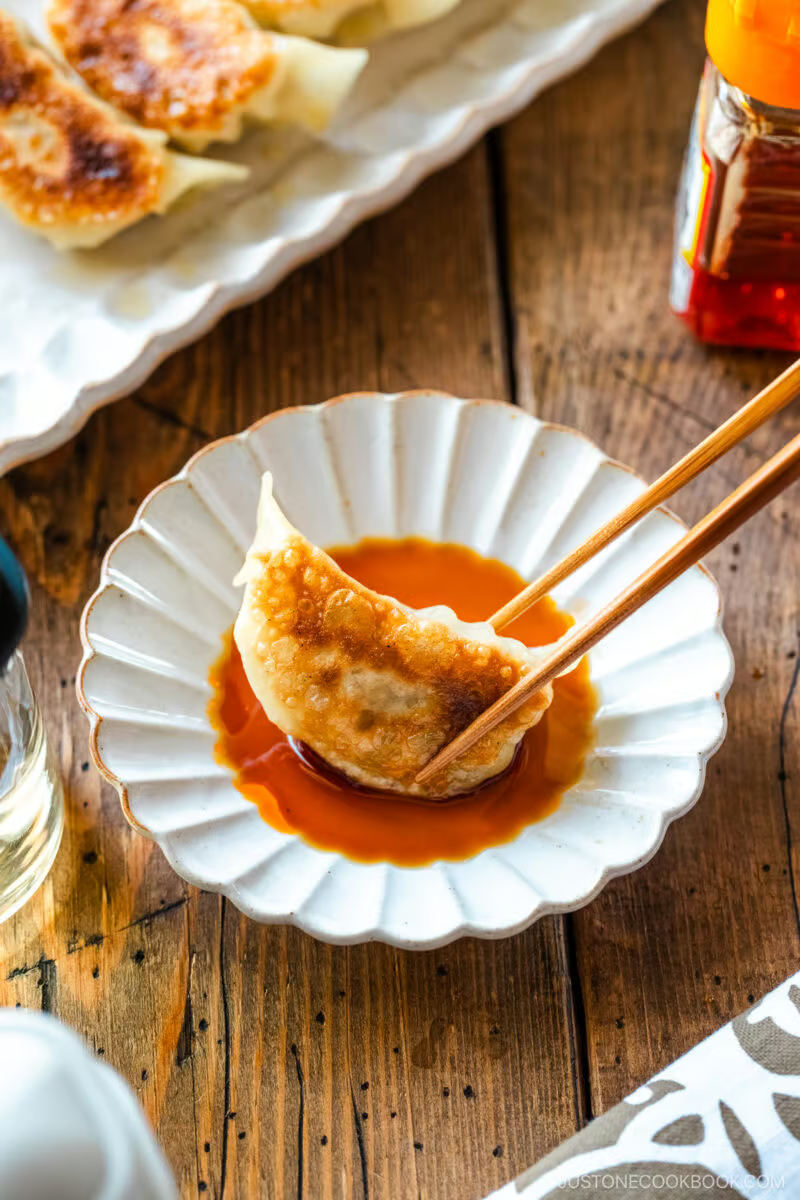
You also can freeze extra skins and enjoy quick dumplings on busy weeknights! Gyoza Gyoza with Miso Dipping Sauce (napa cabbage gyoza) Vegetable Gyoza (vegan/vegetarian) Kimchi Gyoza Nabe (hot pot).
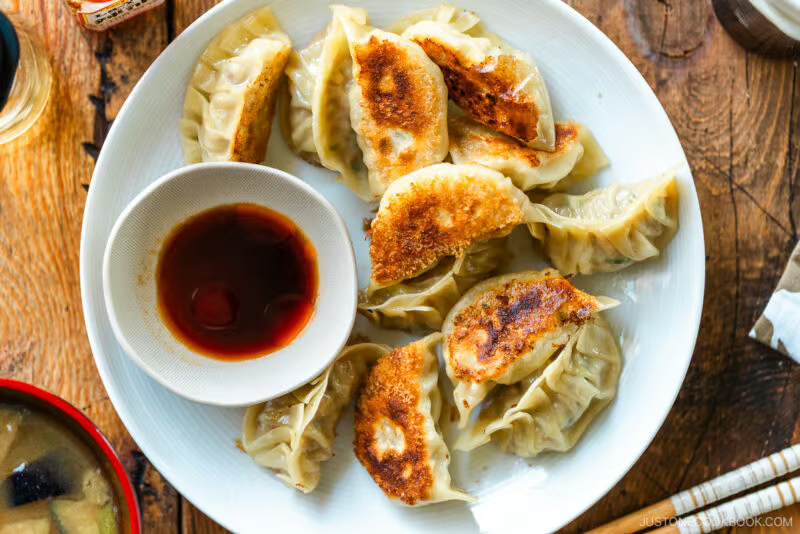
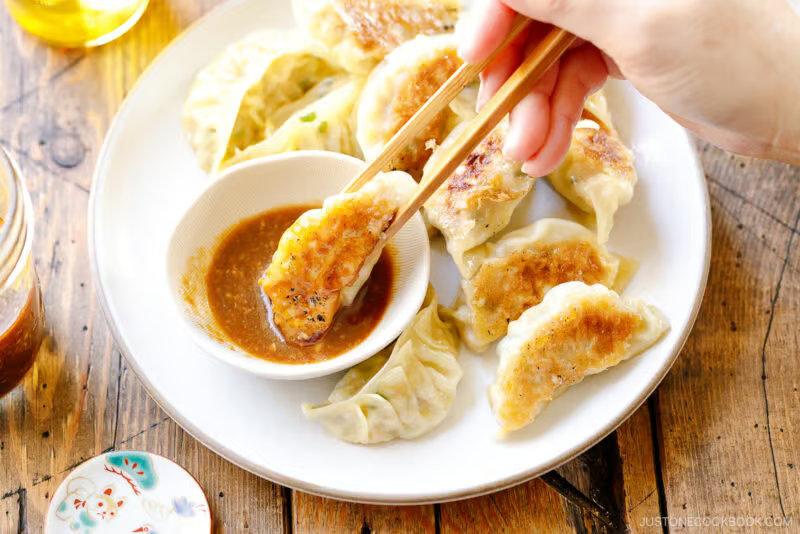
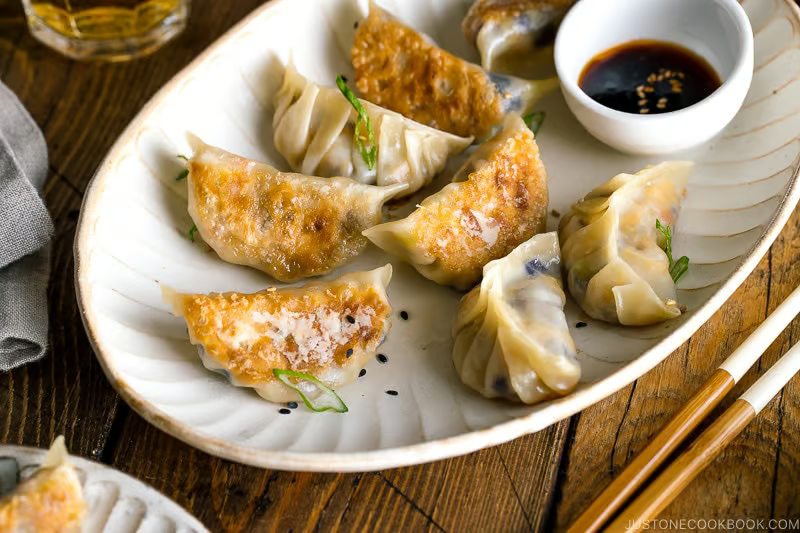
Show 1 more media item
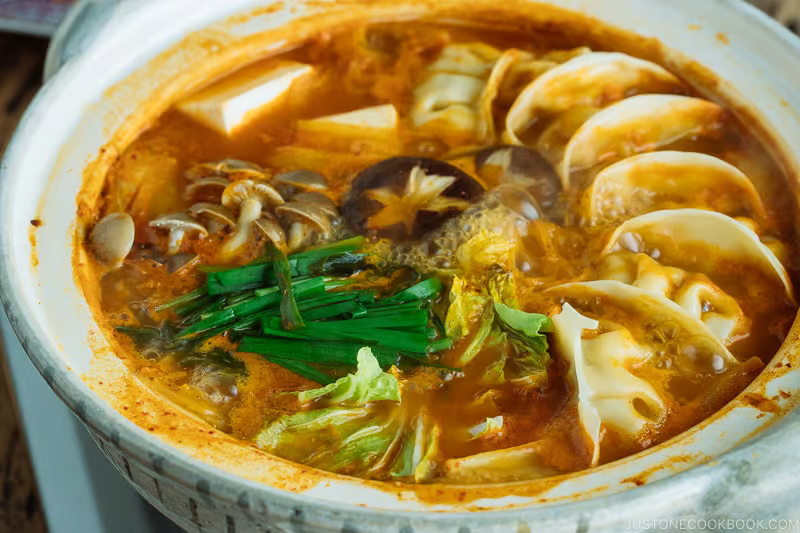
Source video
Source video
Method Timeline
Prep
ActivePrep
1 hr 15 min
Prep time from the source recipe card.
Total
PassiveTotal
1 hr 15 min
Total time from the source recipe card.
Step 1
Gather all the ingredients. For best results, weigh your flour with a kitchen scale (click the Metric button above for weights). If measuring with a cup, fluff the flour with a spoon, spoon it into the cup, and level it off with a knife—1 US cup = 4.25 oz (120 g). You can read more about proper flour measuring here. Nami's Tip: In Japan, we use medium-gluten flour (chūrikiko, 中力粉) with 8–10% protein for a chewy but easy-to-handle texture. For a closer match, I recommend using 1 cup (120 g) bread flour + 1 cup (120 g) cake flour.
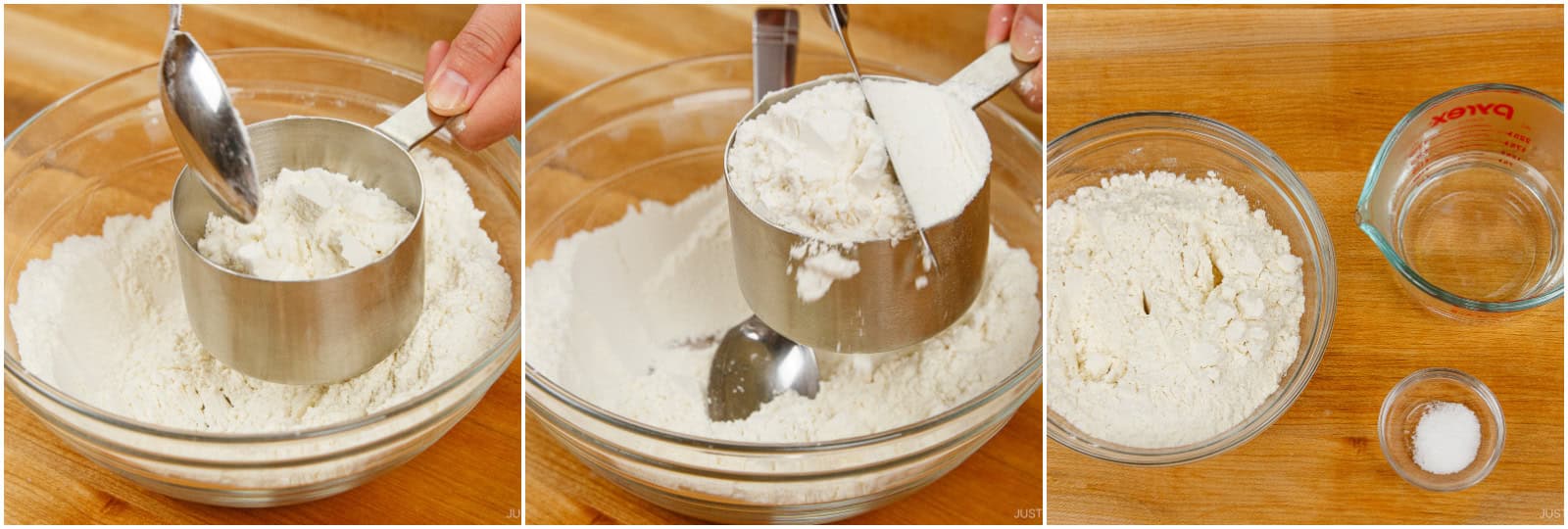
Image detailsGather all the ingredients. For best results, weigh your flour with a kitchen scale (click the Metric button above for weights). If measuring with a cup, fluff the flour with a spoon, spoon it into the cup, and level it off with a knife—1 US cup = 4.25 oz (120 g). You can read more about proper flour measuring here.Nami's Tip: In Japan, we use medium-gluten flour (chūrikiko, 中力粉) with 8–10% protein for a chewy but easy-to-handle texture. For a closer match, I recommend using 1 cup (120 g) bread flour + 1 cup (120 g) cake flour.Just One Cookbook · How to Make Gyoza Wrappers (Easy Homemade Recipe) 餃子の皮Dev reference Inputs and tools1
Uses
- 2 cups all-purpose flour (plain flour)
Step 2
Sift 2 cups all-purpose flour (plain flour) into a large bowl. Add ½ tsp Diamond Crystal kosher salt to the just-boiled hot water and stir until completely dissolved.
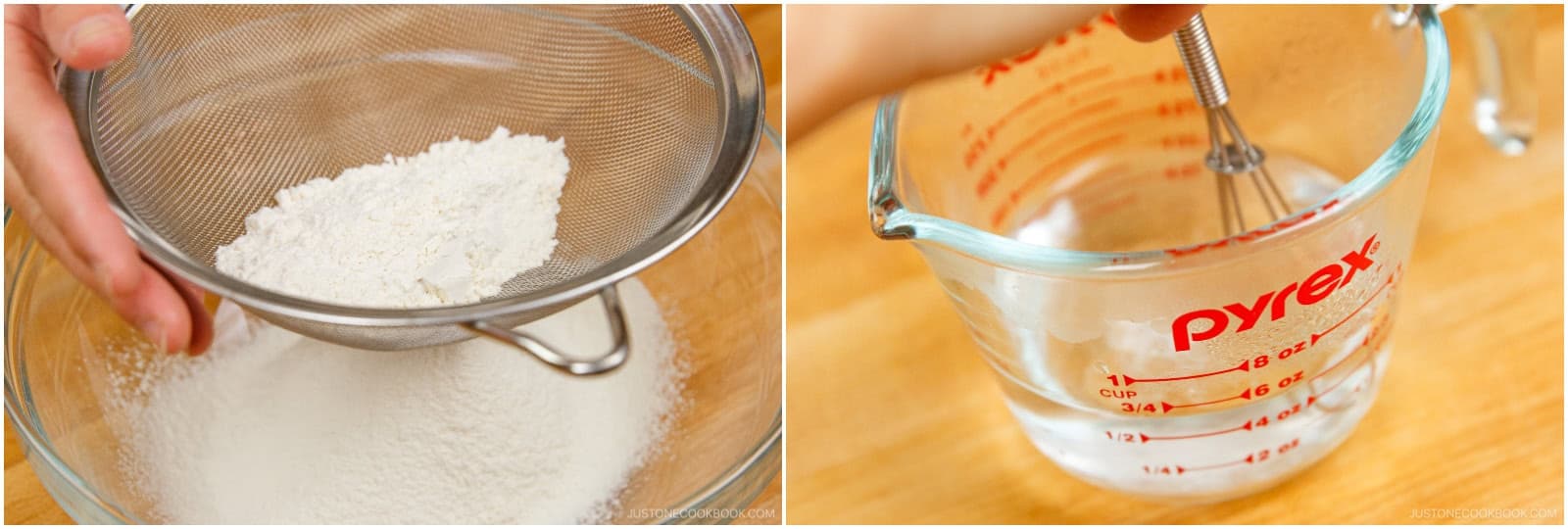
Image detailsSift 2 cups all-purpose flour (plain flour) into a large bowl. Add ½ tsp Diamond Crystal kosher salt to the just-boiled hot water and stir until completely dissolved.Just One Cookbook · How to Make Gyoza Wrappers (Easy Homemade Recipe) 餃子の皮Dev reference Visual cue
until completely dissolved.
Checks1
Visual cueInfoVisualuntil completely dissolved.
Expected state: until completely dissolved.
Inputs and tools2
Uses
- ½ tsp Diamond Crystal kosher salt
- ½ cup water ((just-boiled hot water; plus more, as needed))
Why and source
This step has reviewed source-backed guidance.
Step 3
Slowly add ½ cup water (just-boiled and hot) to the flour, stirring with a spatula. Mix until the dough comes together. If it's still dry, add more hot water, ½ Tbsp at a time, until it forms a ball. Use your hands to finish mixing. Nami's Tip: Different flours absorb water differently, so adjust as needed (I used about 120–150 ml for one batch).
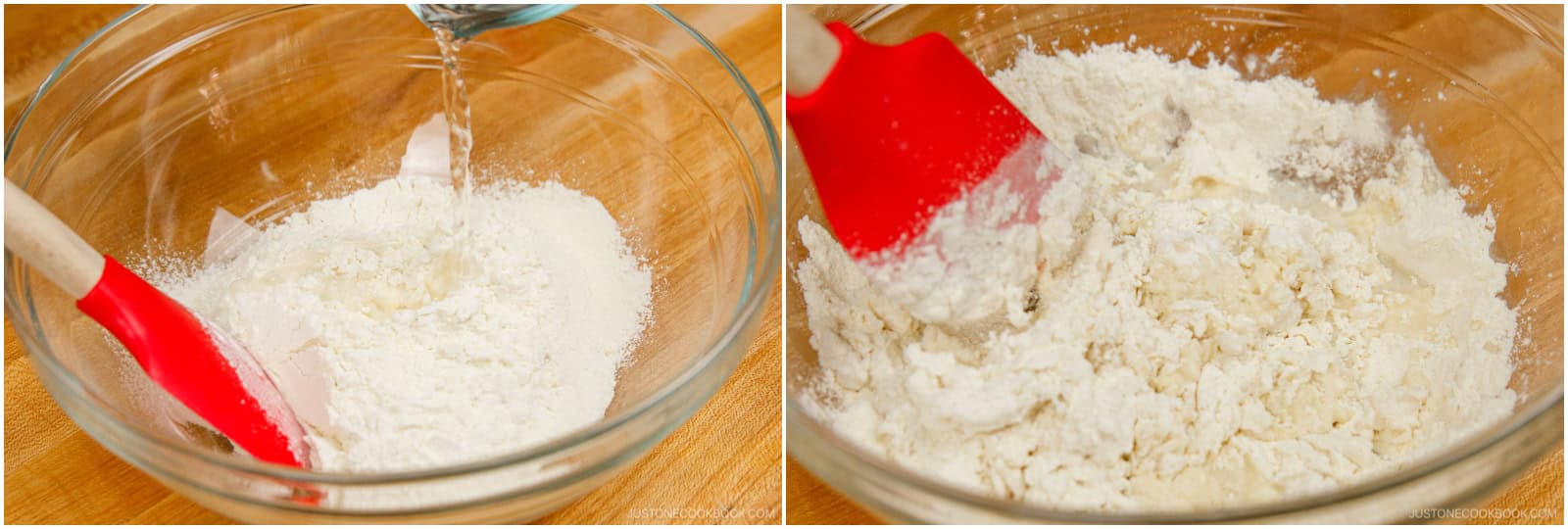
Image detailsSlowly add ½ cup water (just-boiled and hot) to the flour, stirring with a spatula. Mix until the dough comes together. If it's still dry, add more hot water, ½ Tbsp at a time, until it forms a ball. Use your hands to finish mixing. Nami's Tip: Different flours absorb water differently, so adjust as needed (I used about 120–150 ml for one batch).Just One Cookbook · How to Make Gyoza Wrappers (Easy Homemade Recipe) 餃子の皮Dev reference Visual cue
until the dough comes together.
Checks1
Visual cueInfoVisualuntil the dough comes together.
Expected state: until the dough comes together.
Why and source
This step has reviewed source-backed guidance.
Step 4
Transfer the dough to a work surface and knead for 10 minutes until smooth.
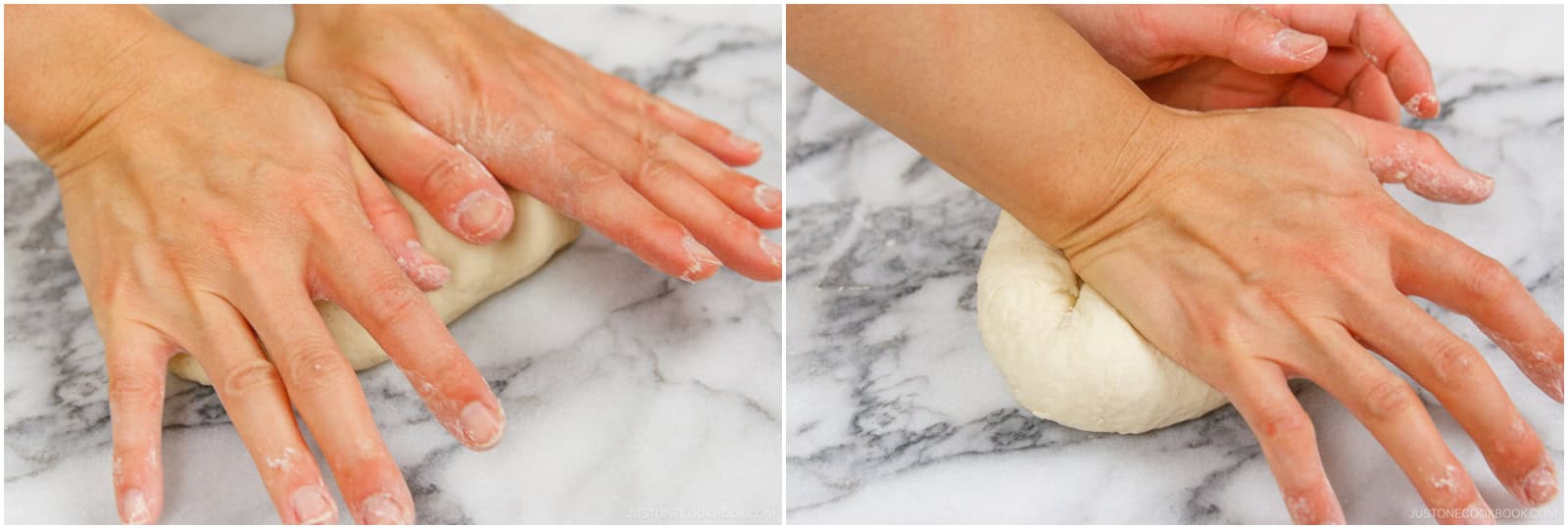
Image detailsTransfer the dough to a work surface and knead for 10 minutes until smooth.Just One Cookbook · How to Make Gyoza Wrappers (Easy Homemade Recipe) 餃子の皮Dev reference Visual cue
until smooth.
Checks2
TextureInfoTextureuntil smooth.
Expected state: until smooth.
TimingInfoTimingfor 10 minutes
Target: 10 minute
Expected state: Transfer the dough to a work surface and knead for 10 minutes until smooth.
Why and source
This step has reviewed source-backed guidance.
Step 5
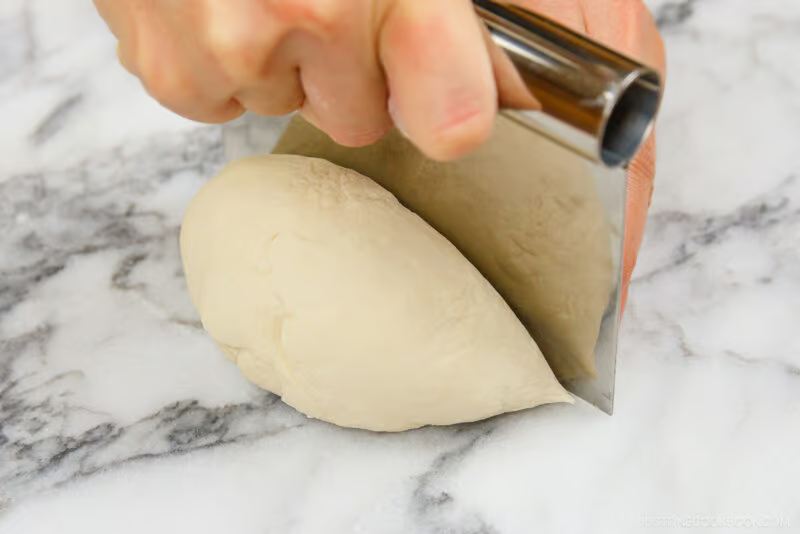
Cut it in half with a dough scraper. It doesn't have to be exact.
Step 6
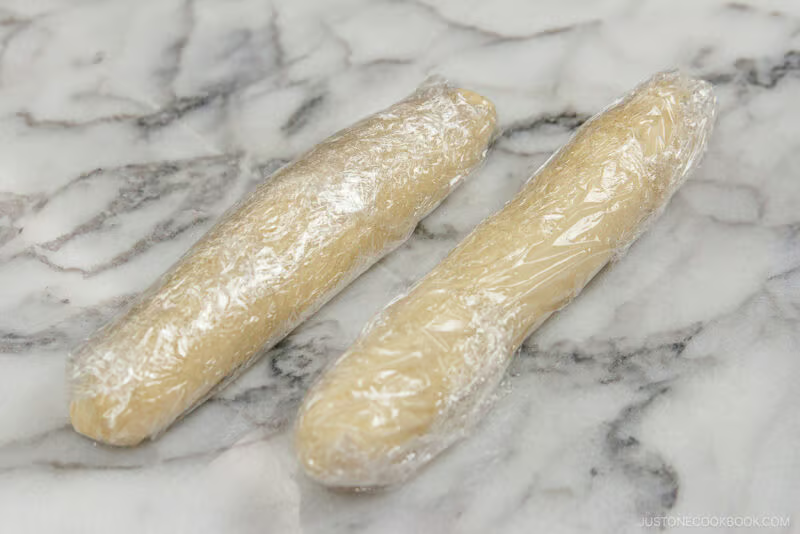
Shape each half into a log about 1½ inches (3.8 cm) thick. It doesn’t need to be perfect, especially if you’ll cut shapes later. Wrap each log in plastic wrap and let it rest for 30 minutes.
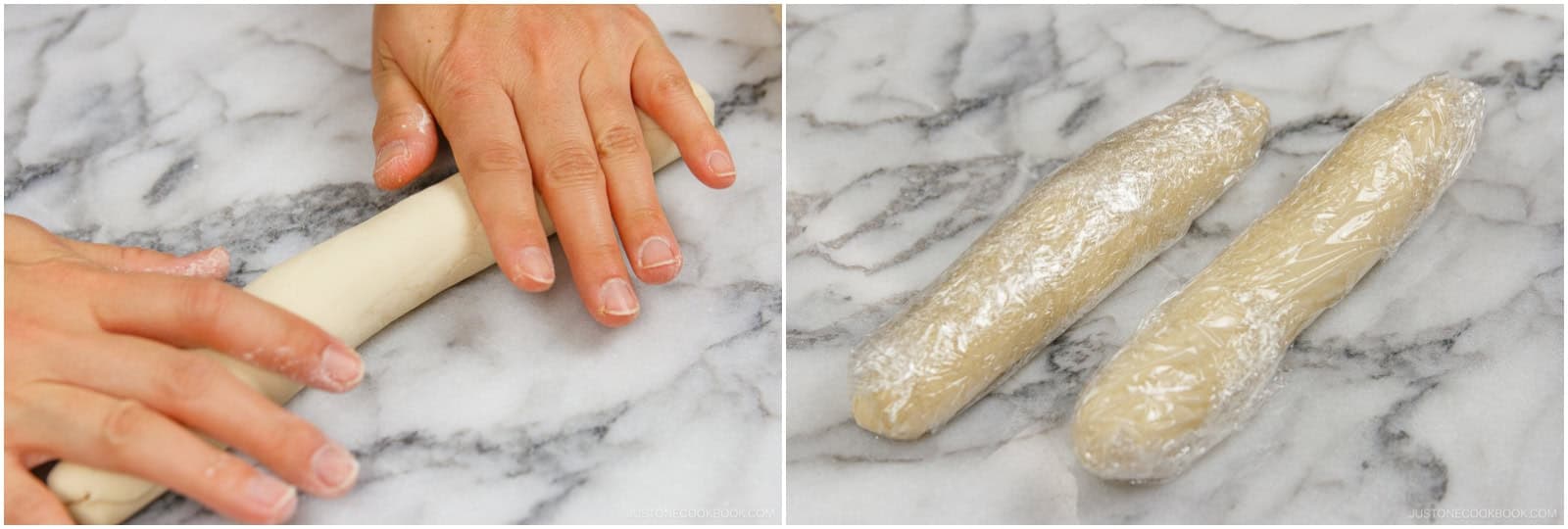
Image detailsShape each half into a log about 1½ inches (3.8 cm) thick. It doesn’t need to be perfect, especially if you’ll cut shapes later. Wrap each log in plastic wrap and let it rest for 30 minutes.Just One Cookbook · How to Make Gyoza Wrappers (Easy Homemade Recipe) 餃子の皮Dev reference Checks2
TimingInfoTimingfor 30 minutes
Target: 30 minute
Expected state: Wrap each log in plastic wrap and let it rest for 30 minutes.
HoldingMain recipeSource holding instruction
Shape each half into a log about 1½ inches (3.8 cm) thick. It doesn’t need to be perfect, especially if you’ll cut shapes later. Wrap each log in plastic wrap and let it rest for 30 minutes.
Why and source
This step has reviewed source-backed guidance.
Step 7
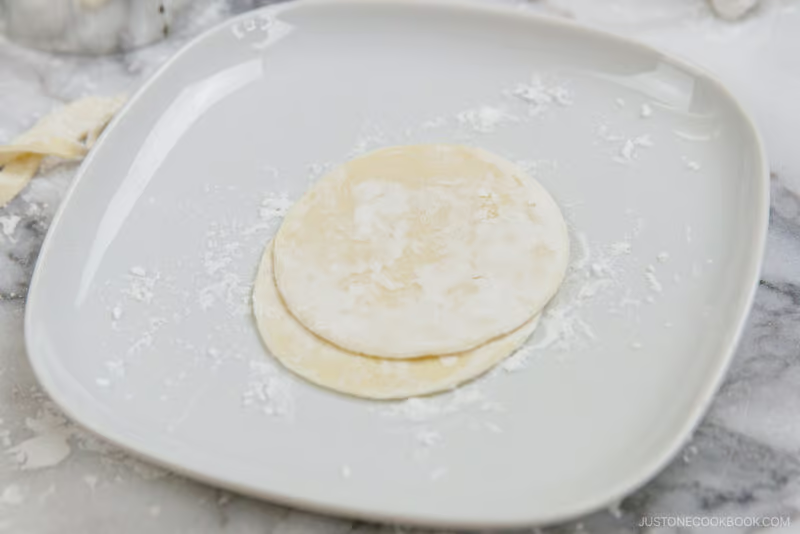
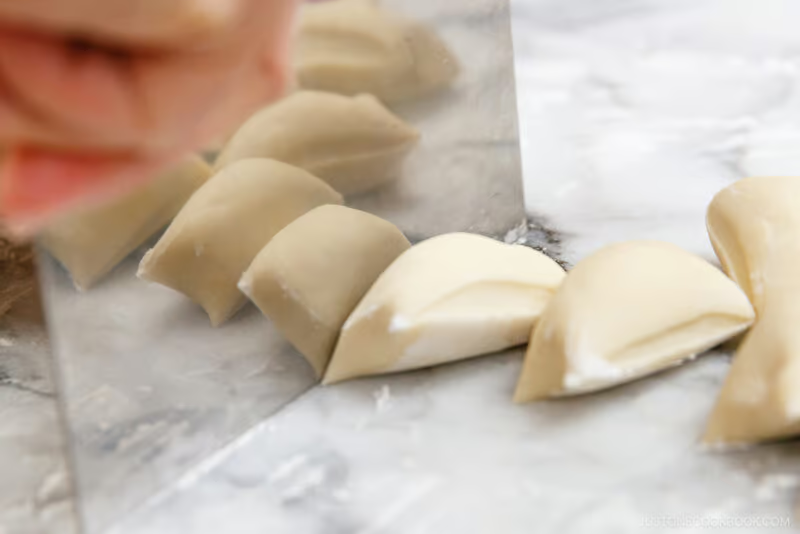
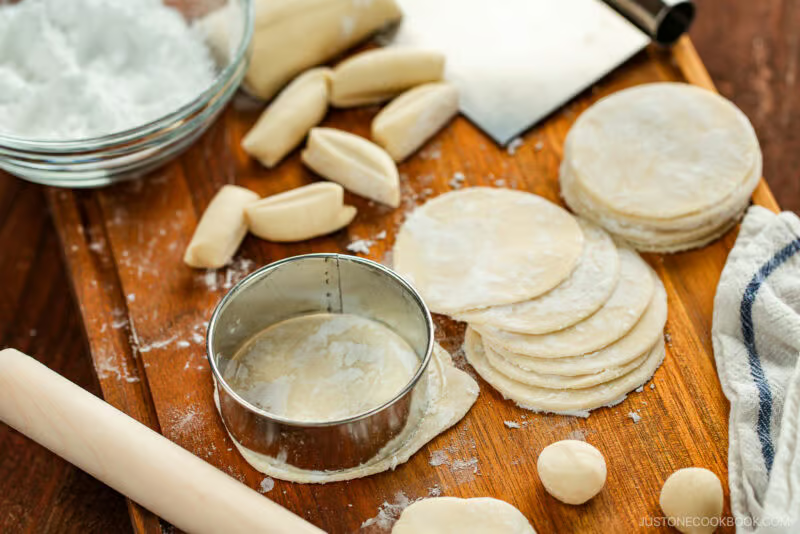
Unwrap the dough and lightly dust the work surface with potato starch or cornstarch. Cut each log into ¾-inch (2 cm) pieces. The sizes don’t have to match since you’ll cut them with a cookie cutter. Always keep the dough covered with a damp kitchen towel so it doesn't dry out. Nami's Tip: If you plan to freeze the wrappers, dust them with potato starch or cornstarch. Flour makes the wrappers stick together.
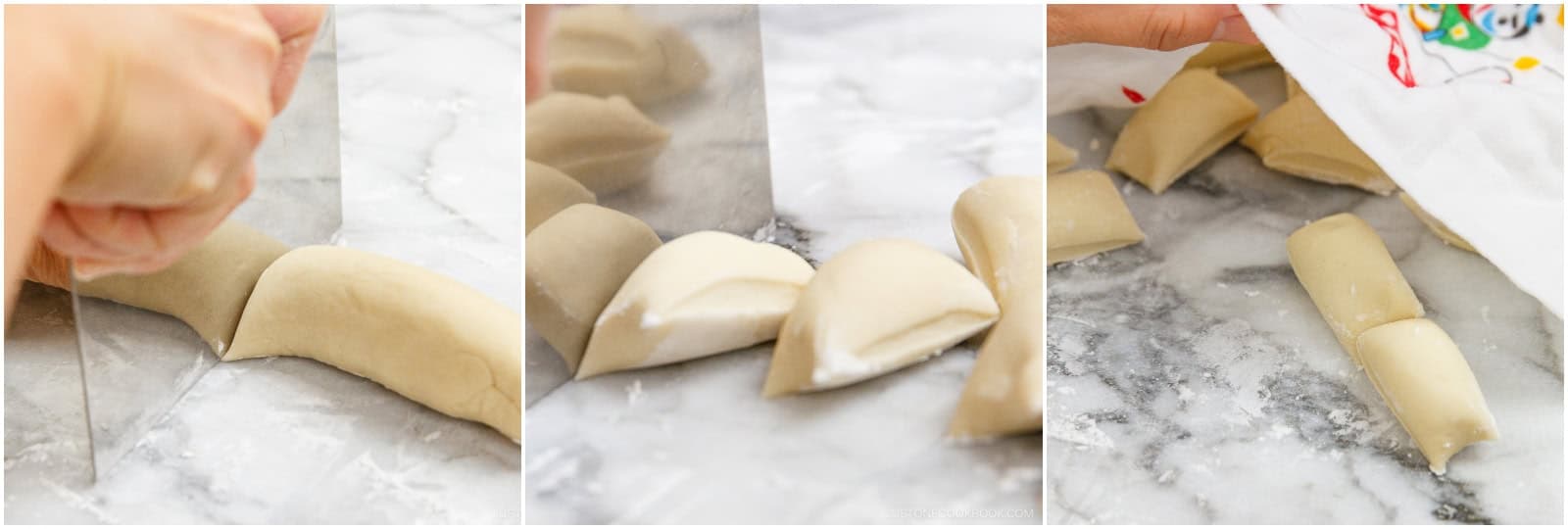
Image detailsUnwrap the dough and lightly dust the work surface with potato starch or cornstarch. Cut each log into ¾-inch (2 cm) pieces. The sizes don’t have to match since you’ll cut them with a cookie cutter. Always keep the dough covered with a damp kitchen towel so it doesn't dry out.Nami's Tip: If you plan to freeze the wrappers, dust them with potato starch or cornstarch. Flour makes the wrappers stick together.Just One Cookbook · How to Make Gyoza Wrappers (Easy Homemade Recipe) 餃子の皮Dev reference Inputs and tools1
Uses
- potato starch or cornstarch ((for rolling and dusting; or substitute regular flour if you‘re not freezing them))
Step 8
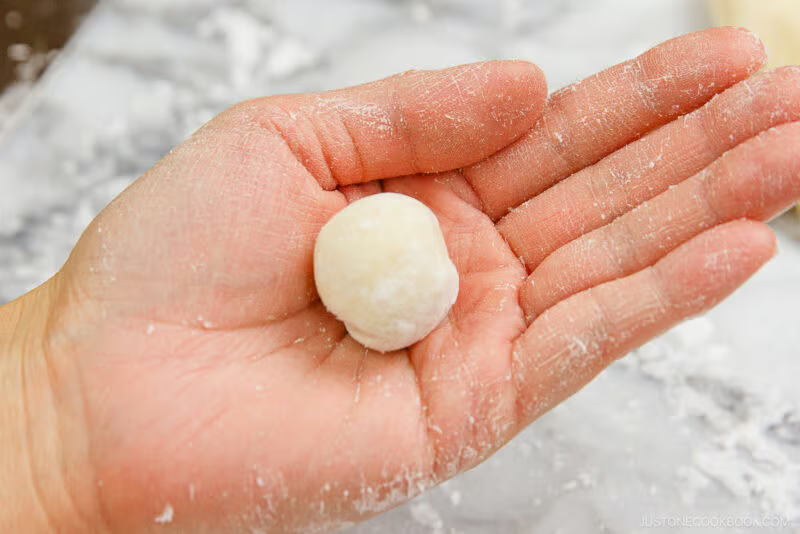
Roll each dough piece into a ball.
Step 9
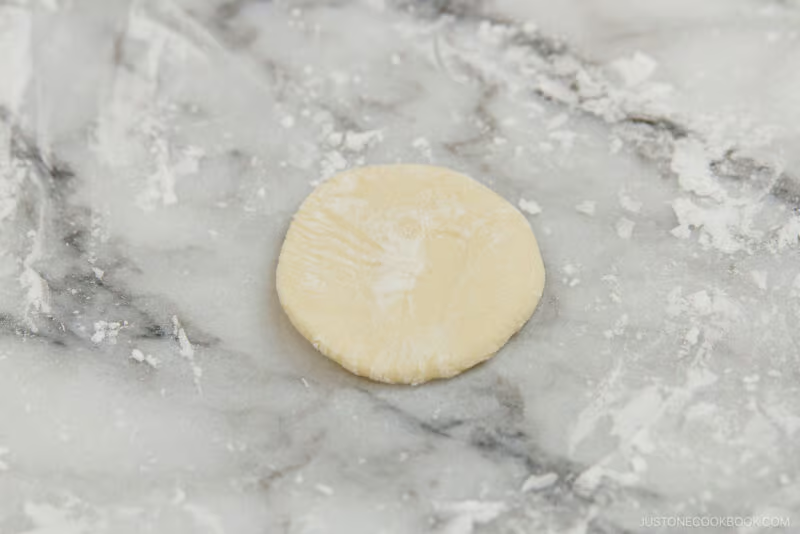
Lightly dust the work surface with starch, then press each ball flat.
Step 10
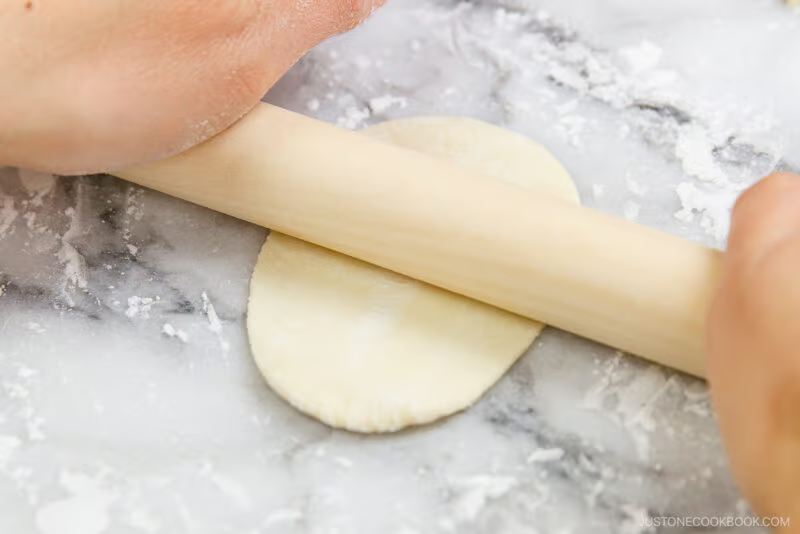
Using a rolling pin, roll out the dough, but leave the top and bottom edges slightly thicker. This trick helps keep the wrapper round. Rotate the dough 90 degrees and roll it into a thin circle, a bit wider than 3 inches (8 cm). If the dough resists or shrinks back, let it rest for a few minutes to relax the gluten, then roll again.
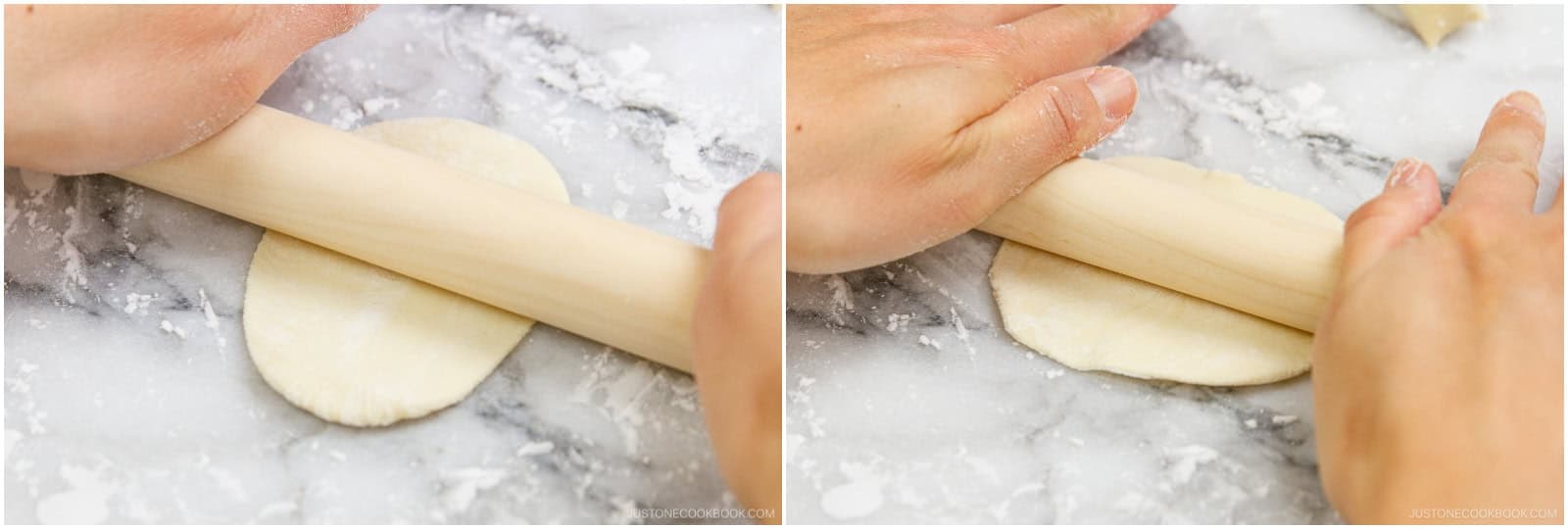
Image detailsUsing a rolling pin, roll out the dough, but leave the top and bottom edges slightly thicker. This trick helps keep the wrapper round. Rotate the dough 90 degrees and roll it into a thin circle, a bit wider than 3 inches (8 cm). If the dough resists or shrinks back, let it rest for a few minutes to relax the gluten, then roll again.Just One Cookbook · How to Make Gyoza Wrappers (Easy Homemade Recipe) 餃子の皮Dev reference Checks1
HoldingMain recipeSource holding instruction
Using a rolling pin, roll out the dough, but leave the top and bottom edges slightly thicker. This trick helps keep the wrapper round. Rotate the dough 90 degrees and roll it into a thin circle, a bit wider than 3 inches (8 cm). If the dough resists or shrinks back, let it rest for a few minutes to relax the gluten, then roll again.
Why and source
This step has reviewed source-backed guidance.
Step 11
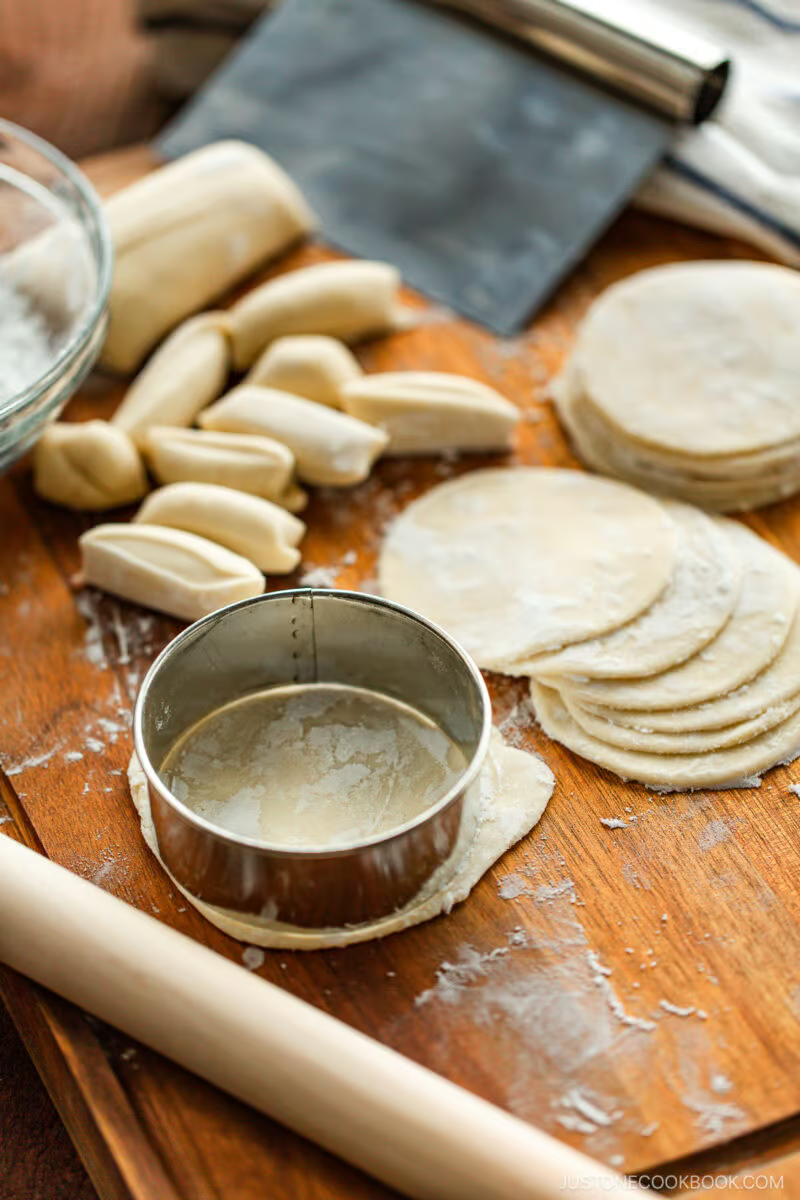
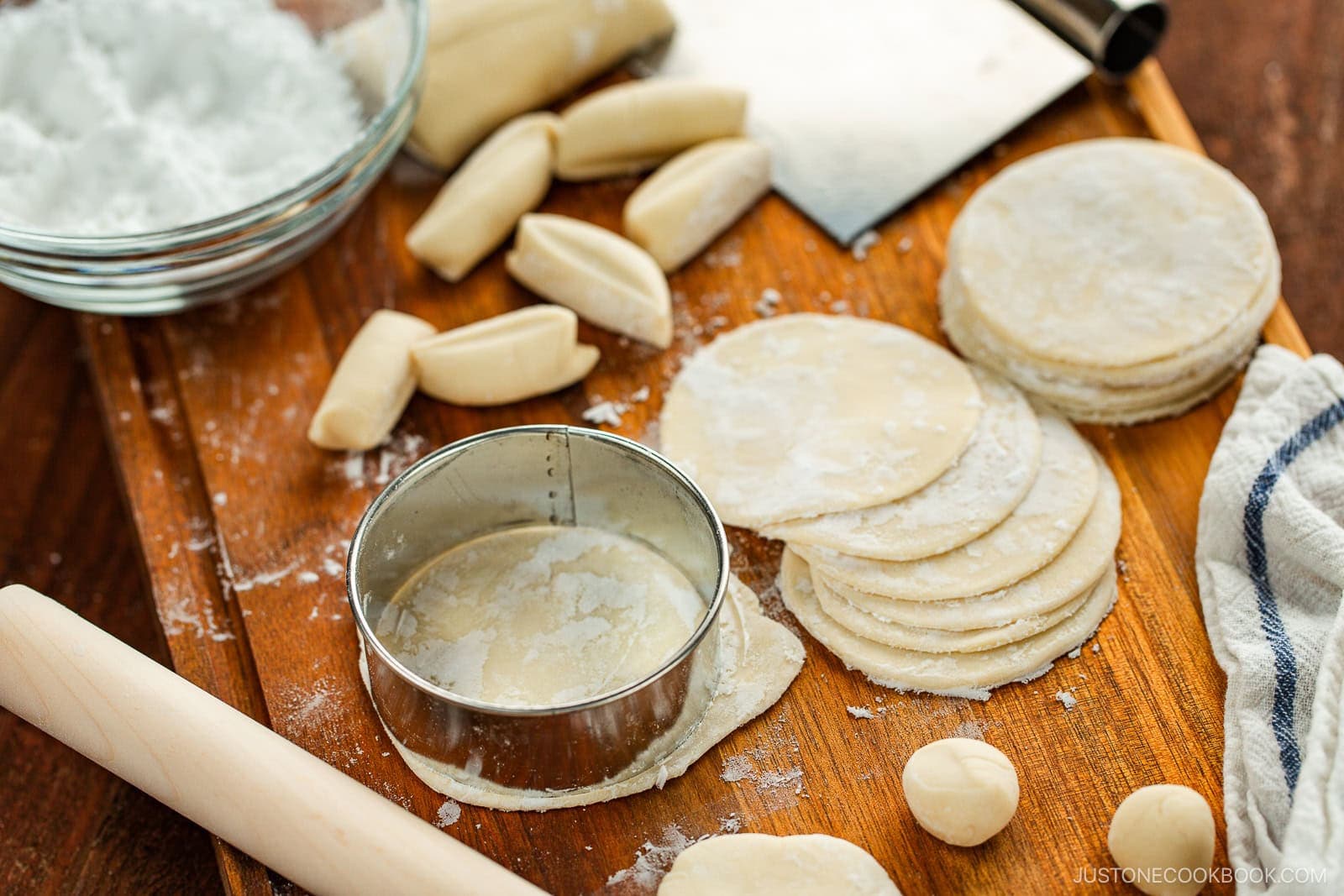
Cut the rolled dough with a 3-inch (8 cm) cookie cutter. If the dough shrinks back, wait a few seconds, then cut. Sprinkle each wrapper with potato starch and stack them, keeping the stack covered with a damp kitchen towel as you roll the rest. Keep the scraps covered with a damp towel. If they’re still soft later, combine the scraps and re-roll them to make more wrappers. One batch makes about 38–42 wrappers. They are now ready to use or freeze.
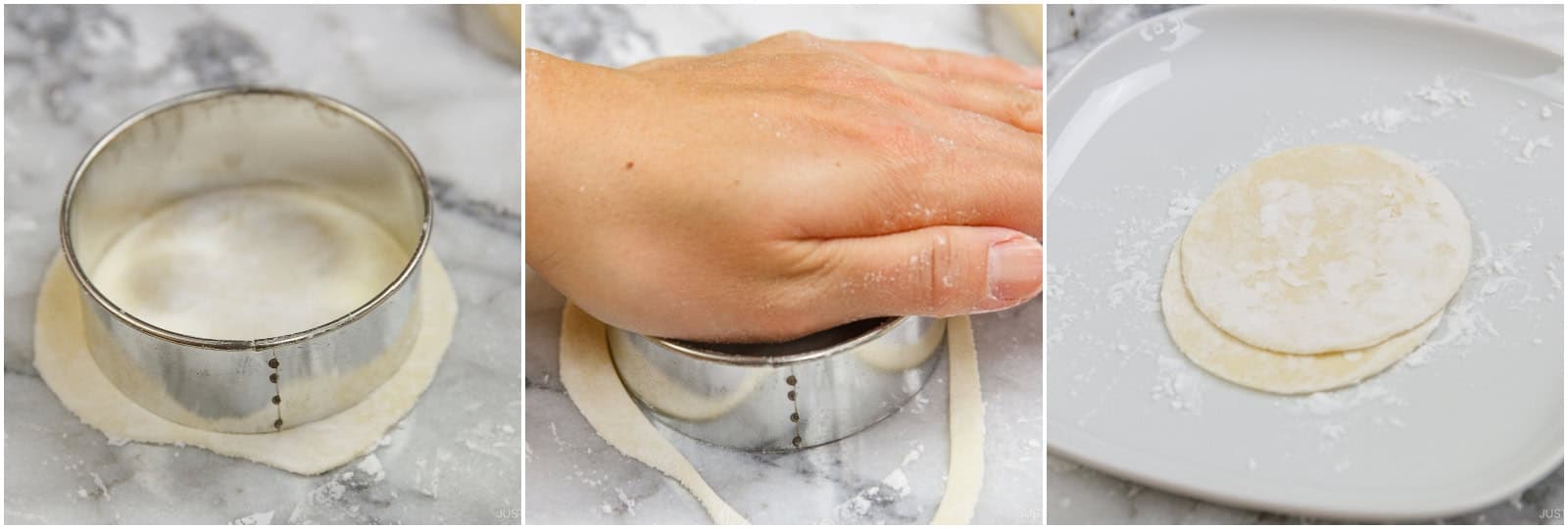
Image detailsCut the rolled dough with a 3-inch (8 cm) cookie cutter. If the dough shrinks back, wait a few seconds, then cut. Sprinkle each wrapper with potato starch and stack them, keeping the stack covered with a damp kitchen towel as you roll the rest. Keep the scraps covered with a damp towel. If they’re still soft later, combine the scraps and re-roll them to make more wrappers.One batch makes about 38–42 wrappers. They are now ready to use or freeze.Just One Cookbook · How to Make Gyoza Wrappers (Easy Homemade Recipe) 餃子の皮Dev reference Checks1
HoldingMain recipeSource holding instruction
Cut the rolled dough with a 3-inch (8 cm) cookie cutter. If the dough shrinks back, wait a few seconds, then cut. Sprinkle each wrapper with potato starch and stack them, keeping the stack covered with a damp kitchen towel as you roll the rest. Keep the scraps covered with a damp towel. If they’re still soft later, combine the scraps and re-roll them to make more wrappers. One batch makes about 38–42 wrappers. They are now ready to use or freeze.
Why and source
This step has reviewed source-backed guidance.
Step 12
Wrap the stacked gyoza wrappers in plastic wrap and store in the refrigerator for 3–4 days or in the freezer for up to 1 month. To use, defrost in the refrigerator overnight or leave on the counter for about 60 minutes, depending on the amount and room temperature. Do not defrost in the microwave.
1 hrStep 13
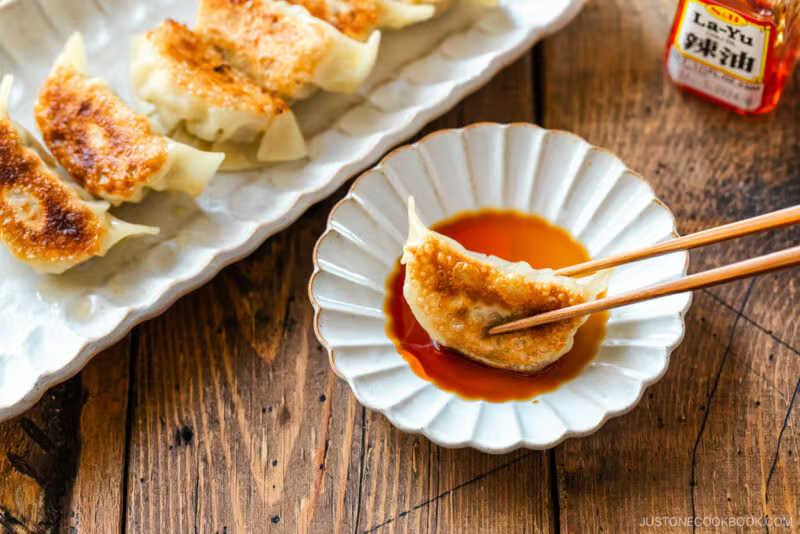
You can use these Homemade Gyoza Wrappers to make Gyoza, vegetarian/vegan Vegetable Gyoza, Chicken Shiso Gyoza, Gyoza with Wings (Hanetsuki Gyoza) and Korean-style Kimchi Gyoza. If you‘re new to making Japanese potstickers, see my tutorial on How to Fold Gyoza.
Handling and Storage
Reviewed hold, storage, make-ahead, and service-timing guidance.
Storage Tips
To store: Seal stacked wrappers tightly in plastic wrap.
Keep in the fridge for 3–4 days. You can also wrap well in a freezer bag and store in the freezer for up to 1 month.
Can I freeze the dough before rolling?
It’s best not freeze raw dough logs because it changes its texture and may not roll out smoothly once thawed.
Instead, roll the wrappers first, dust with starch, and then freeze. This way, they keep their shape and are easy to use later.
Learn More
Extra cooking notes, tests, and source details kept out of the step-by-step method.
Why this works
Quick kitchen reasons behind the main choices.
Roll
Unwrap and cut the log crosswise into ¾-inch (2 cm) pieces.
Keep them covered with a damp towel. Form each piece into a small ball, and press it flat.
Show 1 more media item
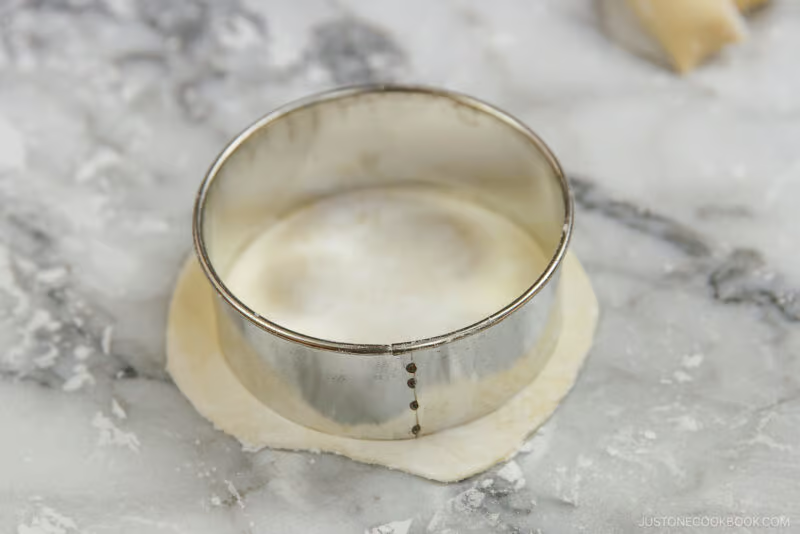
Cut Wrappers
Cut, dust, and stack.
For perfect rounds, stamp with a 3-inch (8 cm) cookie cutter. Lightly sprinkle each with starch and stack.
Complete Your Meal
Gyoza (Video) 餃子 505 1 hour hour 20 minutes minutes Pickled Mustard Greens Fried Rice (Takana Chahan) 高菜チャーハン 23 20 minutes minutes Easy Japanese Egg Drop Soup (Kakitamajiru) かきたま汁 56 15 minutes minutes Carrot Ginger Dressing 人参ドレッシング 251 1
My wrappers keep shrinking as I roll. What should I do?
If your dough shrinks back, it means the gluten is still tight.
Per my recipe instructions, let it rest longer—about 30 minutes after kneading, or 5 extra minutes between rolling attempts. This relaxes the gluten so the dough rolls out thin and keeps its shape.
Can I roll the dough ahead of time?
On Day 1, roll into logs, wrap well, and refrigerate up to one day.
On Day 2, cut and roll into wrappers just before using. Don’t roll them too far in advance—they dry out quickly.
Article photos
Photos used with the article notes.
Source: How to Make Gyoza Wrappers (Easy Homemade Recipe) 餃子の皮
Testing notes
Useful tests and side-by-side notes after the method is clear.
Why Make Gyoza Wrappers at Home
Fresher and tastier – Homemade wrappers have a clean wheat flavor and soft chew that store-bought ones can’t match.
You’ll taste the difference—and no preservatives! Tender, chewy texture – That perfect bite is the hallmark of good gyoza!
Best Flour for Gyoza Wrappers
Most gyoza wrappers are made with chūrikiko (中力粉), or medium-gluten flour, which has about 8–10% protein.
This gives the dough a chewy but easy-to-handle texture. By contrast, American all-purpose flour usually has 10–12% protein, so it develops slightly stronger gluten and makes the dough a bit chewier.
What is the difference between wonton wrappers and gyoza wrappers?
Wonton wrappers are square and a bit thicker—better for boiling or deep-frying.
Meanwhile, gyoza wrappers are round and thinner—ideal for pan-frying and steaming. This thinner dough gives gyoza their delicate chew and makes folding pleats easier.
Recipe structure
Components and intermediate outputs created by the method.
Main recipe
Recipe card ingredients and steps.
38, 38 to 42 thin, 3-inch wrappers (using all the dough)
Dough
Source step 3 creates or uses dough.
Recipe Utilities
Account actions, source details, export, and reporting stay available without interrupting the cooking flow.
Source and Origin
Origin declaration
Adapted from source
Imported from the just-one-cookbook page for dev review.
Copy risk: Unchecked
How to Make Gyoza Wrappers (Easy Homemade Recipe) 餃子の皮
Article
View source
My Kitchen Actions
Login is required.
My Kitchen keeps saved recipes, private notes, adaptations, cooking logs, imports, and exports tied to your account.
Export
Public recipe exports include only approved public content. Personal backup exports require login.
Export history
No exports yet.