Beef Udon
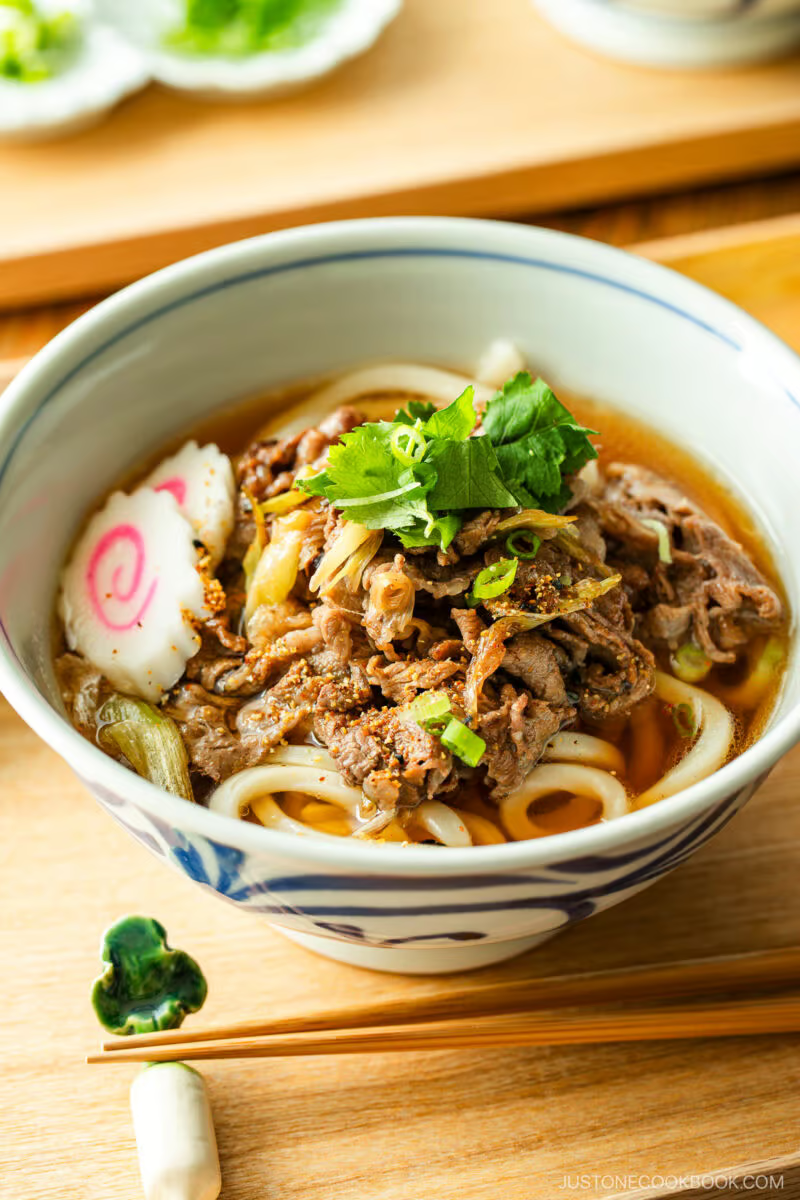
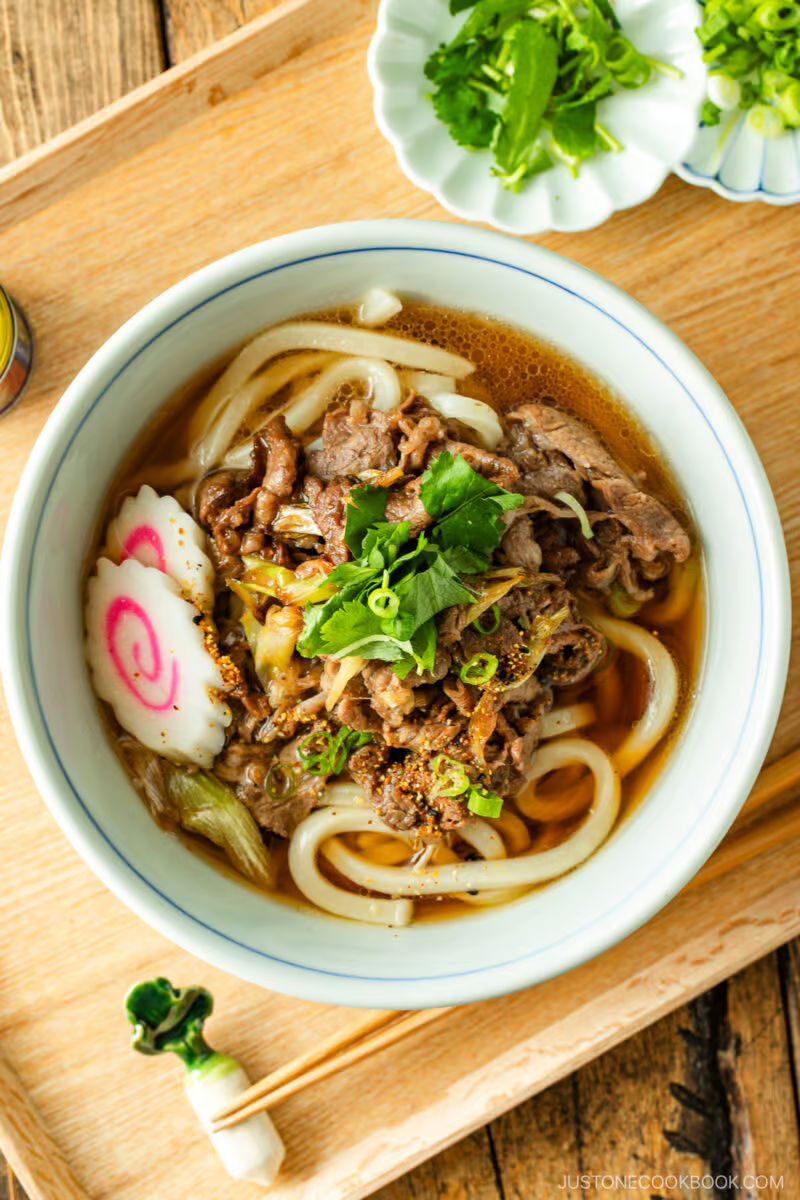
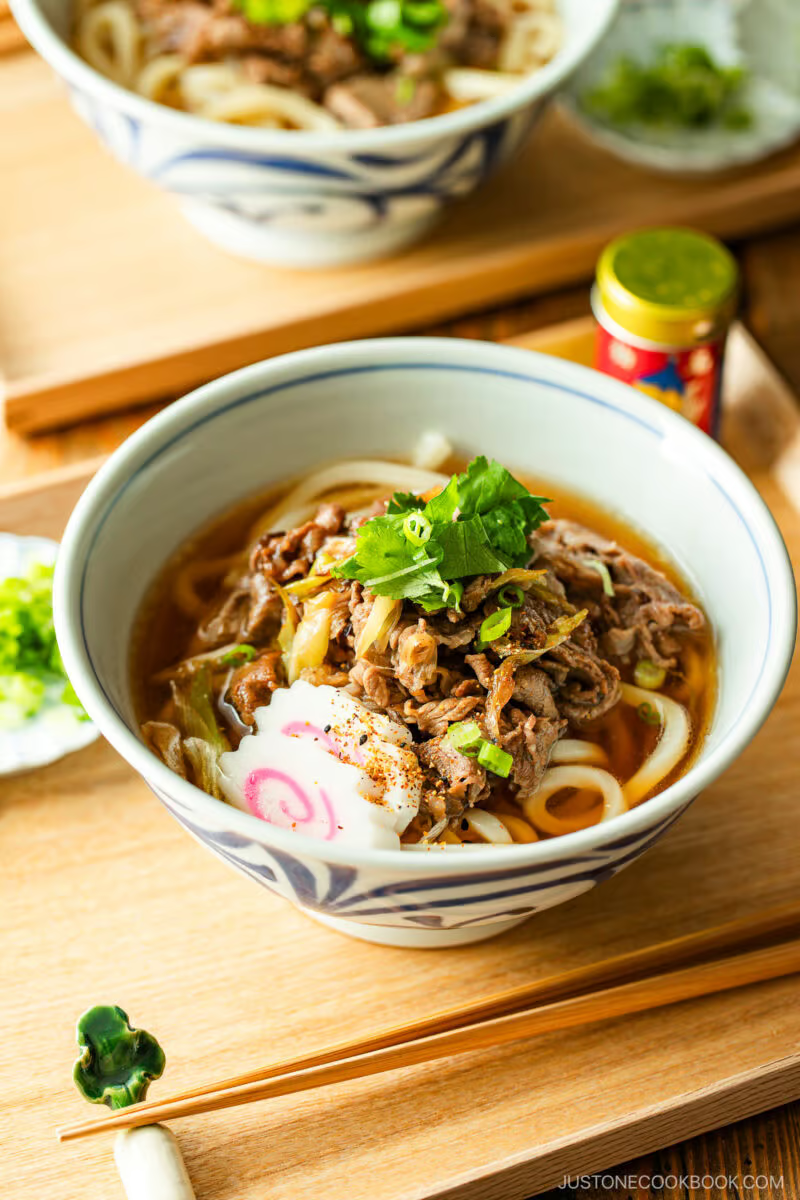
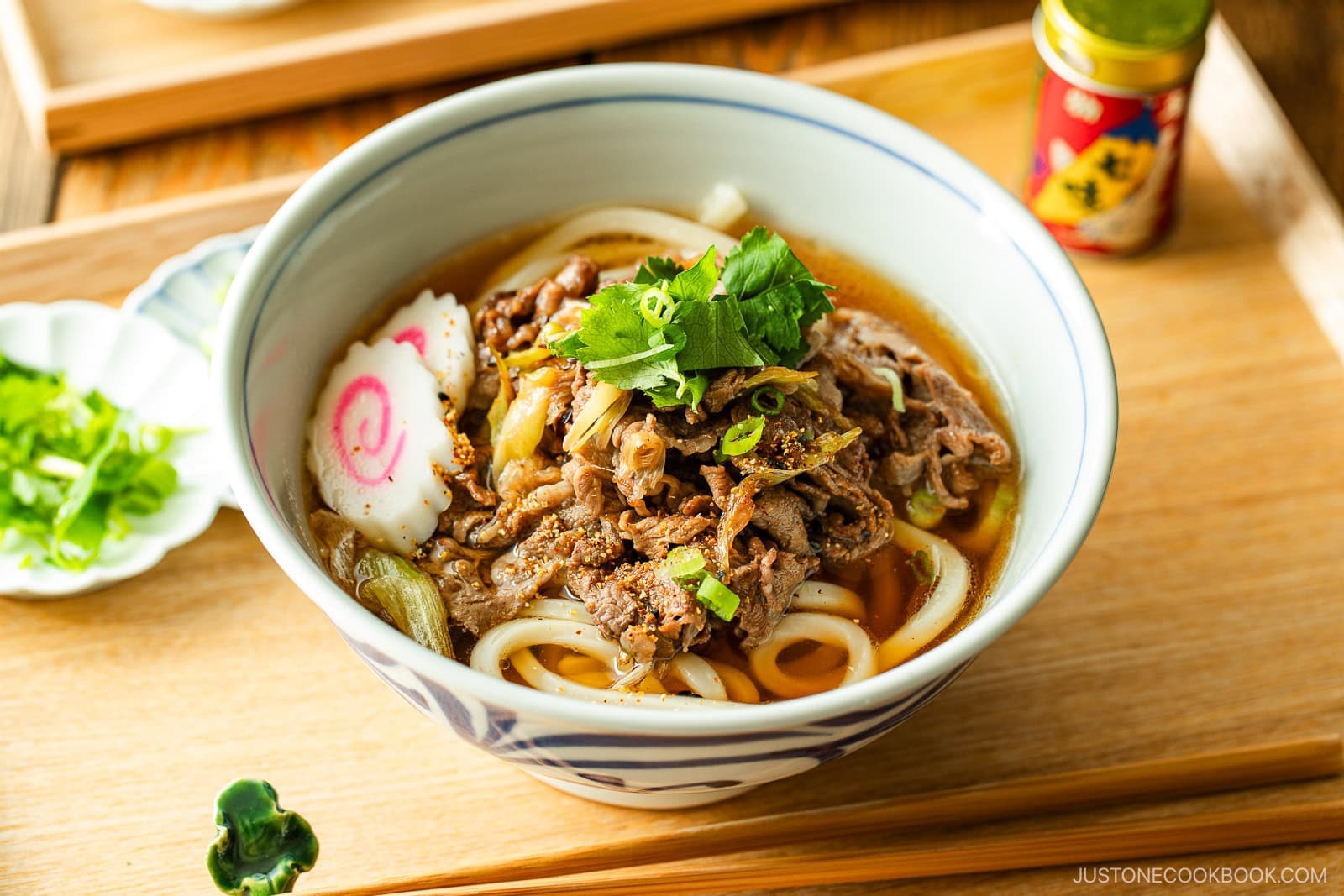
Beef Udon is a Japanese comfort dish made of tender sliced beef on top of thick, chewy udon noodles in a hot, savory homemade soup broth.
- Total time
- 25 min
- Active time
- 10 min
- Yield
- 2
- Difficulty
- Medium
Ingredients and Constraints
Ingredients
- Optional
- Optional
- Optional
Ingredient watchpoints4 watchpoints
Short requirements and tradeoffs to check while gathering ingredients; detailed source notes stay expandable.
Mitsuba
4 sprigs mitsuba (Japanese parsley) ((optional; for garnish))
The source row includes a form, size, temperature, preparation, or handling detail.
Details and source
Beef
6–8 oz thinly sliced beef (such as ribeye)
The source row includes a form, size, temperature, preparation, or handling detail.
Details and source
Narutomaki
4 slices narutomaki (fish cakes) ((optional))
The source row includes a form, size, temperature, preparation, or handling detail.
Details and source
Shichimi Togarashi
shichimi togarashi (Japanese seven spice) ((optional))
The source row includes a form, size, temperature, preparation, or handling detail.
Details and source
Additional ingredient notes
Ingredients for Beef Udon
Udon noodles Thinly sliced beef Tokyo negi – or green onion/scallion Neutral oil, soy sauce, and sugar – for sautéing Homemade broth: dashi (Japanese soup stock), soy sauce, mirin, sugar, kosher salt Garnish and toppings: green onions, naru
JUMP TO RECIPE Substitutions Udon noodles: I recommend frozen udon from a Japanese/Asian market, but you could use dried or fresh. For fresh udon noodles from scratch, try my Homemade Udon Noodles recipe. Thinly sliced beef: I use pre-sliced “shabu shabu” beef that you can find at a Japanese market. If you can’t find it, you can learn How to Slice Meat Thinly at home with ribeye or chuck steak. Homemade soup broth: Make my shortcut broth with mentsuyu (concentrated noodle soup base) in the recipe instructions. Dashi: I use convenient Japanese soup stock packets as the flavor is pretty good. Or, learn How to Make Dashi from scratch with dried kelp (kombu) and dried bonito flakes (katsuobushi). Use dashi powder only in a pinch. Mirin: If you don’t have it, use 3 parts sake (or water) to 1 part sugar.
Substitutions
Udon noodles: I recommend frozen udon from a Japanese/Asian market, but you could use dried or fresh.
For fresh udon noodles from scratch, try my Homemade Udon Noodles recipe. Thinly sliced beef: I use pre-sliced “shabu shabu” beef that you can find at a Japanese market. If you can’t find it, you can learn How to Slice Meat Thinly at home with ribeye or chuck steak. Homemade soup broth: Make my shortcut broth with mentsuyu (concentrated noodle soup base) in the recipe instructions. Dashi: I use convenient Japanese soup stock packets as the flavor is pretty good. Or, learn How to Make Dashi from scratch with dried kelp (kombu) and dried bonito flakes (katsuobushi). Use dashi powder only in a pinch. Mirin: If you don’t have it, use 3 parts sake (or water) to 1 part sugar. The flavor isn’t the same, but it’s close.
Before You Cook
Constraints, controls, and warnings to review before starting.
Decisions before cookingDetails1
Reviewed comparisons and tradeoffs that affect the path before the first active step.
Variations and Customizations
Extra veggies: For more color and nutrition, add sliced onion, bell pepper, cabbage, mushrooms, or bok choy.
Aromatic boost: Sauté minced garlic and ginger with the beef for deeper flavor. Swap proteins: Thinly sliced pork or chicken also tastes wonderful in the same sweet-soy glaze.
Method Overview
Structured method notes that are separate from the step timeline.
Cooking
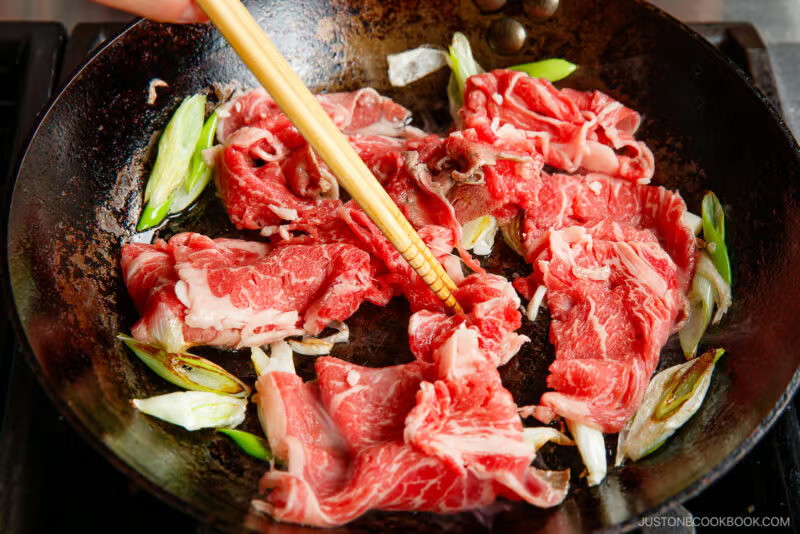
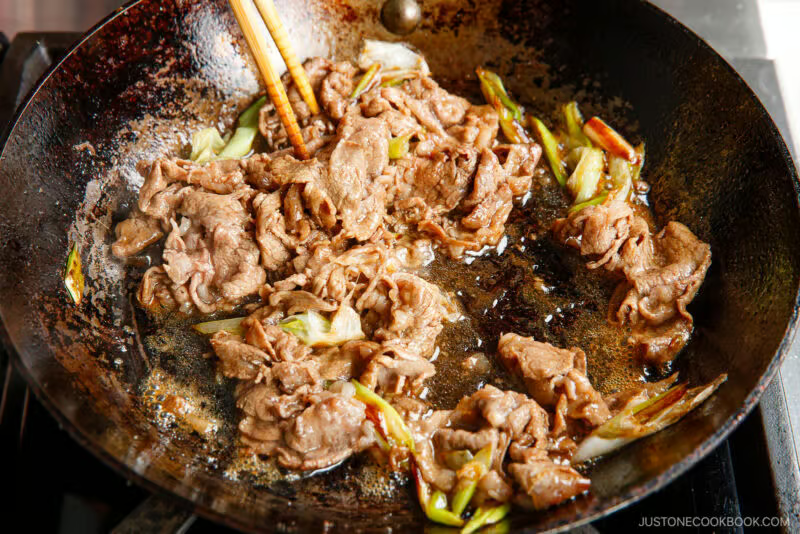
Stir-fry beef and Tokyo negi in a skillet with oil and cook until no longer pink.
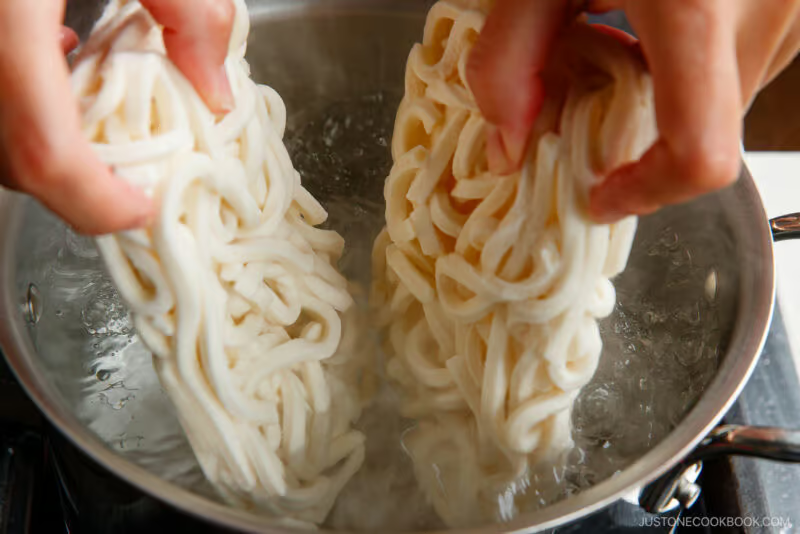
Sprinkle in sugar and soy sauce; stir until glazed. Heat noodles in a pot of boiling water according to the package directions.
Show 1 more media item
Nami’s Recipe Tips
Reheat frozen udon; don’t boil it.
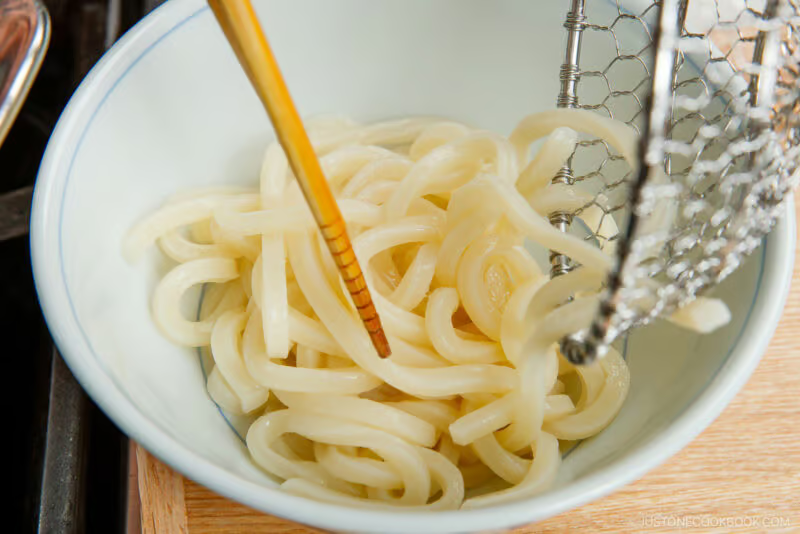
A 1-minute dip keeps the texture bouncy. Loosen noodles with chopsticks so they don’t clump in the boiling water.
Can I make this ahead?
Prepare the broth in advance, but cook the beef and noodles right before eating for best texture.
Source video
Source video
Method Timeline
Prep
ActivePrep
10 min
Prep time from the source recipe card.
Cook
ActiveCook
15 min
Cook time from the source recipe card.
Total
PassiveTotal
25 min
Total time from the source recipe card.
Step 1
Gather all the ingredients. Bring a large pot of water to a boil for the udon noodles. Once boiling, keep it covered on low heat until you‘re ready to heat the noodles.
low heat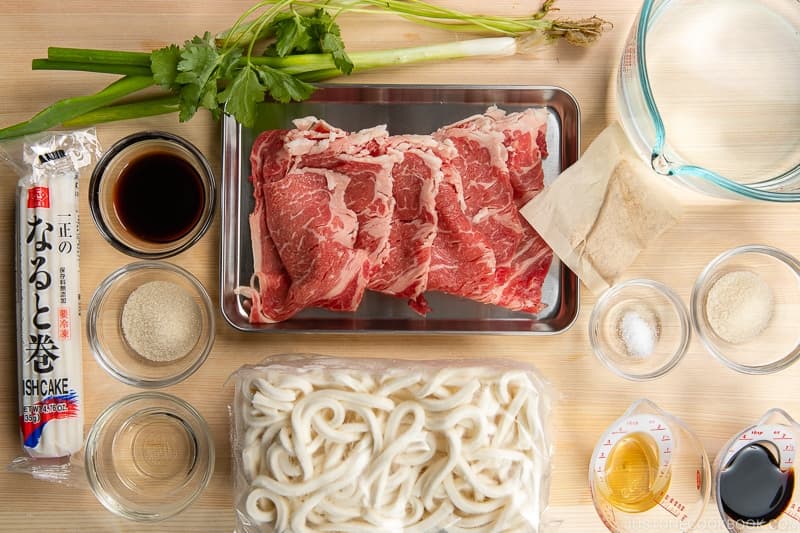
Image detailsGather all the ingredients. Bring a large pot of water to a boil for the udon noodles. Once boiling, keep it covered on low heat until you‘re ready to heat the noodles.Just One Cookbook · Beef Udon (Niku Udon) (Video) 肉うどんDev reference Visual cue
Once boiling, keep it covered on low heat until you‘re ready to heat the noodles.
Checks1
Visual cueInfoVisualOnce boiling, keep it covered on low heat until you‘re ready to heat the noodles.
Expected state: Once boiling, keep it covered on low heat until you‘re ready to heat the noodles.
Inputs and tools2
Uses
- 2 servings udon noodles
- 2⅓ cups water
Why and source
This step has reviewed source-backed guidance.
Step 2
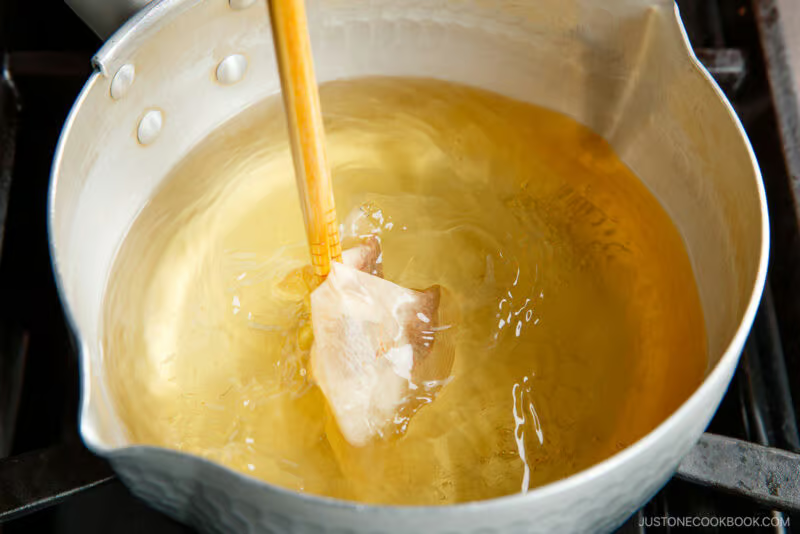
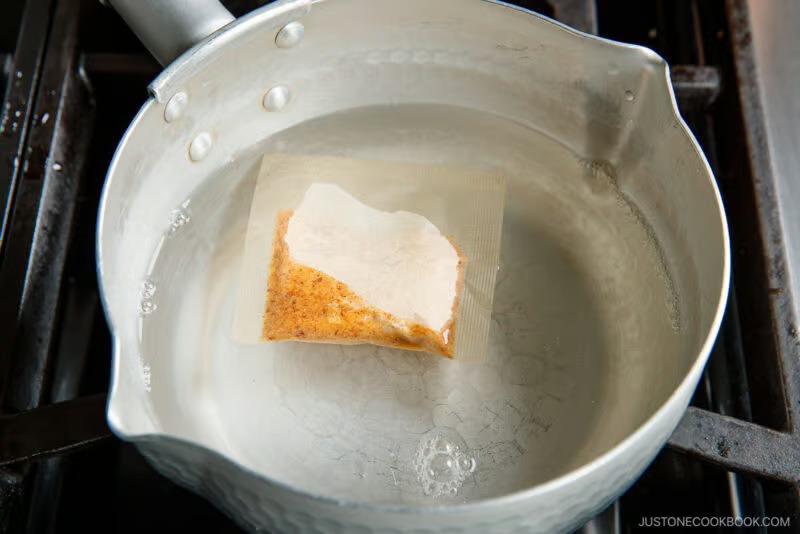
First, make 2½ cups dashi (Japanese soup stock) of your choice. (To make a quick broth with mentsuyu noodle soup base, see the instructions at the end of the recipe.) Here, I‘ll show you how to make a quick dashi using a dashi packet (you can find it on Amazon). In a medium saucepan, add 2½ cups or 600 ml water and 1 dashi packet. Bring it to a boil over medium heat.
medium heat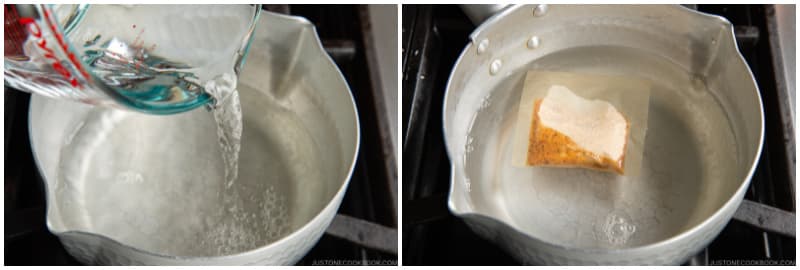
Image detailsFirst, make 2½ cups dashi (Japanese soup stock) of your choice. (To make a quick broth with mentsuyu noodle soup base, see the instructions at the end of the recipe.) Here, I‘ll show you how to make a quick dashi using a dashi packet (you can find it on Amazon). In a medium saucepan, add 2½ cups or 600 ml water and 1 dashi packet. Bring it to a boil over medium heat.Just One Cookbook · Beef Udon (Niku Udon) (Video) 肉うどんDev reference Inputs and tools2
Uses
- 2½ cups dashi (Japanese soup stock)
- ⅓ cup mentsuyu (concentrated noodle soup base)
Step 3
Simmer for 2–3 minutes. Then, squeeze the liquid from the dashi packet and discard the packet.
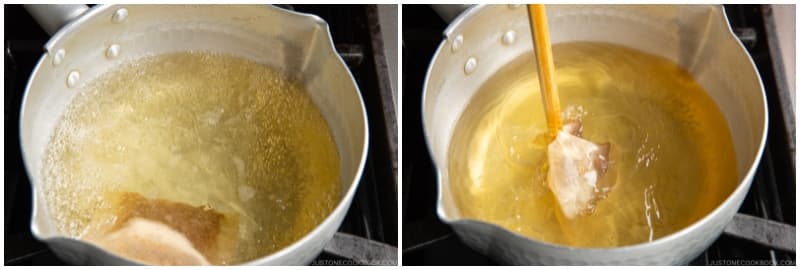
Image detailsSimmer for 2–3 minutes. Then, squeeze the liquid from the dashi packet and discard the packet.Just One Cookbook · Beef Udon (Niku Udon) (Video) 肉うどんDev reference Checks1
TimingInfoTimingfor 2–3 minutes
Target: 2-3 minute
Expected state: Simmer for 2–3 minutes.
Why and source
This step has reviewed source-backed guidance.
Step 4
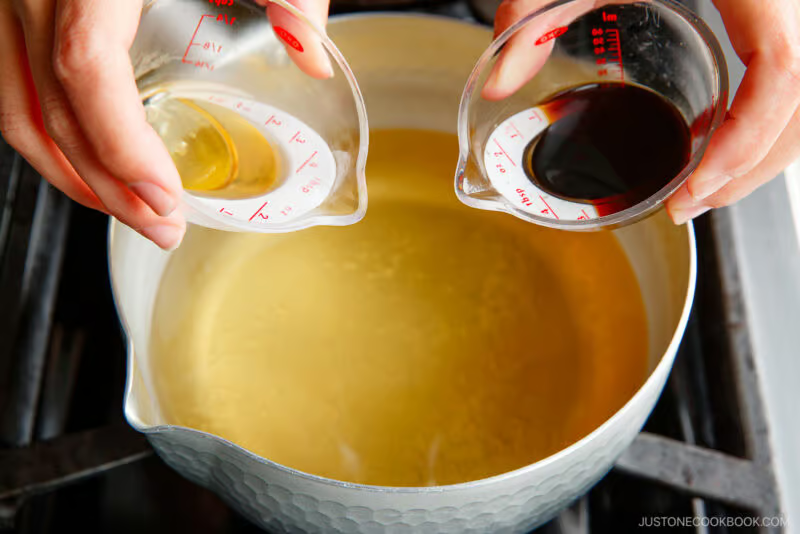
Season the dashi with 1½ Tbsp soy sauce, 1 Tbsp mirin, 1 tsp sugar, and ⅛ tsp Diamond Crystal kosher salt and mix it all together. Cover the pot with a lid to keep it hot and prevent evaporation. Turn off the heat and set aside.
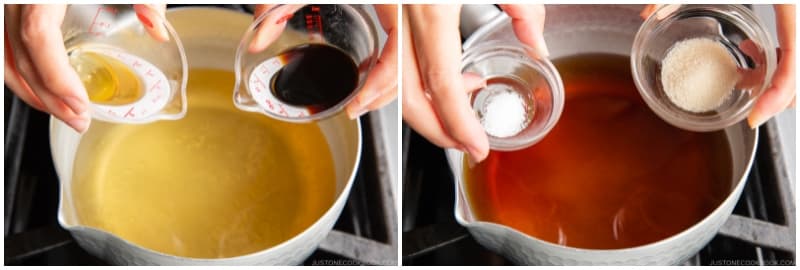
Image detailsSeason the dashi with 1½ Tbsp soy sauce, 1 Tbsp mirin, 1 tsp sugar, and ⅛ tsp Diamond Crystal kosher salt and mix it all together. Cover the pot with a lid to keep it hot and prevent evaporation. Turn off the heat and set aside.Just One Cookbook · Beef Udon (Niku Udon) (Video) 肉うどんDev reference Inputs and tools7
Uses
- 1 Tbsp mirin
- 1 Tbsp soy sauce
- 2 tsp sugar
- ⅛ tsp Diamond Crystal kosher salt
- 1 tsp sugar
- 1 Tbsp mirin
- 1½ Tbsp soy sauce
Step 5
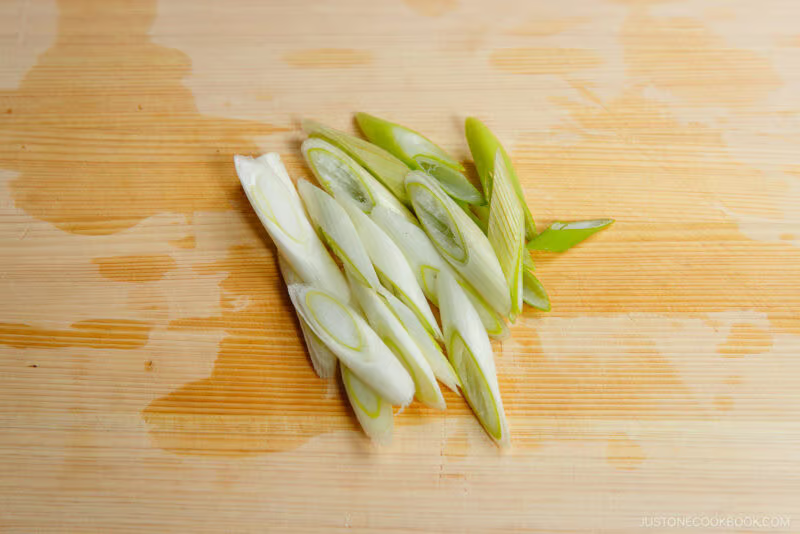
Cut the white part of ½ Tokyo negi (long green onion) diagonally into ½-inch (1.3-cm) slices. Set aside.
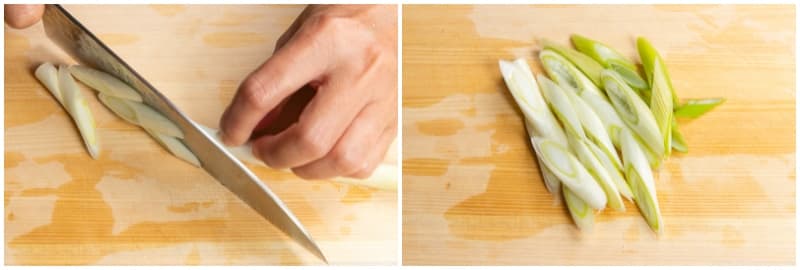
Image detailsCut the white part of ½ Tokyo negi (long green onion) diagonally into ½-inch (1.3-cm) slices. Set aside.Just One Cookbook · Beef Udon (Niku Udon) (Video) 肉うどんDev reference Inputs and tools1
Uses
- ½ Tokyo negi (long green onion) ((white part only; or use 2 green onions))
Step 6
Thinly slice the leaves and tender stems of 4 sprigs mitsuba (Japanese parsley)(optional).
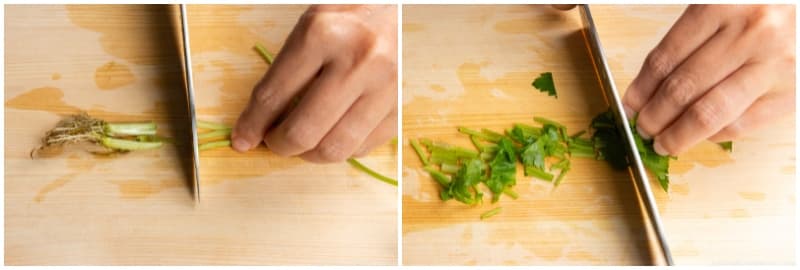
Image detailsThinly slice the leaves and tender stems of 4 sprigs mitsuba (Japanese parsley)(optional).Just One Cookbook · Beef Udon (Niku Udon) (Video) 肉うどんDev reference Inputs and tools1
Uses
- 4 sprigs mitsuba (Japanese parsley) ((optional; for garnish))
Step 7
Cut 1 green onion/scallion into thin slices. Transfer the green onion slices and optional mitsuba to a small plate or bowl for topping the soup later.
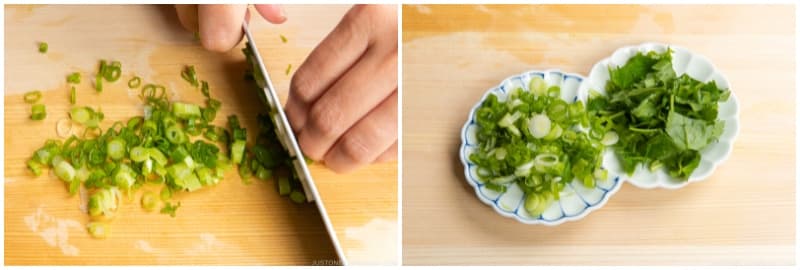
Image detailsCut 1 green onion/scallion into thin slices. Transfer the green onion slices and optional mitsuba to a small plate or bowl for topping the soup later.Just One Cookbook · Beef Udon (Niku Udon) (Video) 肉うどんDev reference Inputs and tools1
Uses
- 1 green onion/scallion ((for topping))
Step 8
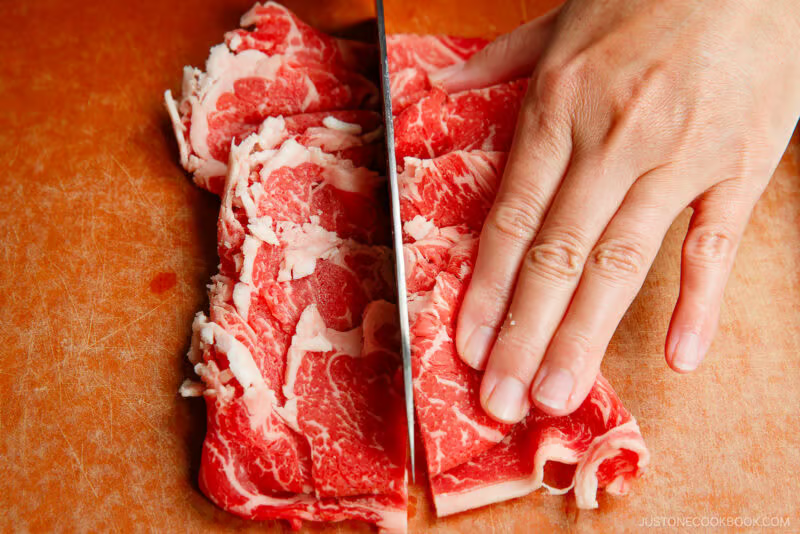
Diagonally cut 4 slices narutomaki (fish cakes) (optional). Then, cut 6–8 oz thinly sliced beef (such as ribeye) in half to about 1½–2 inches (3.8–5 cm) wide.
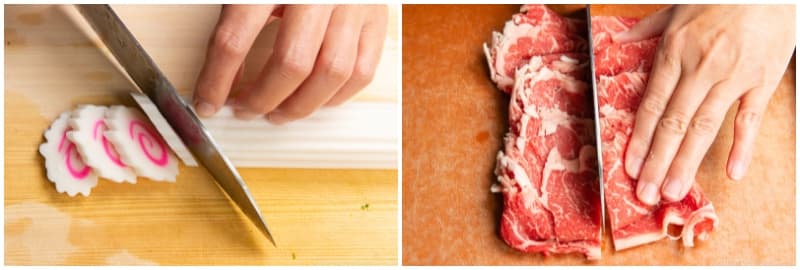
Image detailsDiagonally cut 4 slices narutomaki (fish cakes) (optional). Then, cut 6–8 oz thinly sliced beef (such as ribeye) in half to about 1½–2 inches (3.8–5 cm) wide.Just One Cookbook · Beef Udon (Niku Udon) (Video) 肉うどんDev reference Inputs and tools2
Uses
- 6–8 oz thinly sliced beef (such as ribeye)
- 4 slices narutomaki (fish cakes) ((optional))
Step 9
Heat the frying pan on medium heat. When it‘s hot, add 1 Tbsp neutral oil and the Tokyo negi.
medium heat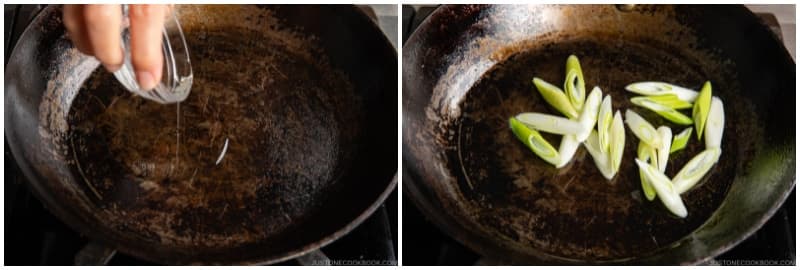
Image detailsHeat the frying pan on medium heat. When it‘s hot, add 1 Tbsp neutral oil and the Tokyo negi.Just One Cookbook · Beef Udon (Niku Udon) (Video) 肉うどんDev reference Inputs and tools1
Uses
- 1 Tbsp neutral oil
Step 10
Sauté the negi until golden brown and tender. Then, add the thinly sliced beef and cook until it‘s no longer pink.
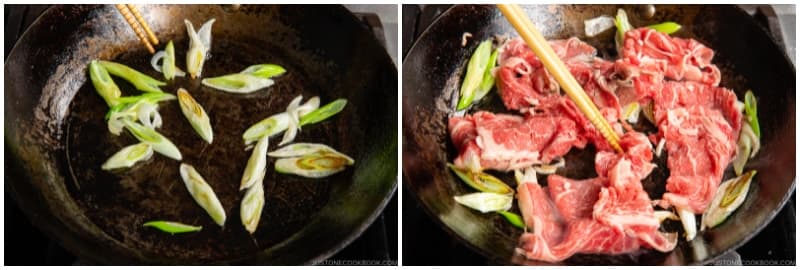
Image detailsSauté the negi until golden brown and tender. Then, add the thinly sliced beef and cook until it‘s no longer pink.Just One Cookbook · Beef Udon (Niku Udon) (Video) 肉うどんDev reference Visual cue
until golden brown and tender.
Checks1
TextureInfoTextureuntil golden brown and tender.
Expected state: until golden brown and tender.
Why and source
This step has reviewed source-backed guidance.
Step 11
Add 2 tsp sugar and 1 Tbsp soy sauce.
Step 12
Stir-fry the meat until it is well coated with the seasoning. Remove from the heat.
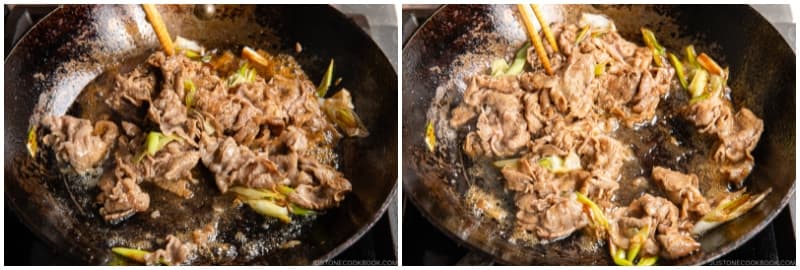
Image detailsStir-fry the meat until it is well coated with the seasoning. Remove from the heat.Just One Cookbook · Beef Udon (Niku Udon) (Video) 肉うどんDev reference Visual cue
until it is well coated with the seasoning.
Checks1
Visual cueInfoVisualuntil it is well coated with the seasoning.
Expected state: until it is well coated with the seasoning.
Why and source
This step has reviewed source-backed guidance.
Step 13
Cook 2 servings udon noodles in boiling water according to the package instructions. For frozen udon noodles, boil from frozen for 1 minute to reheat.
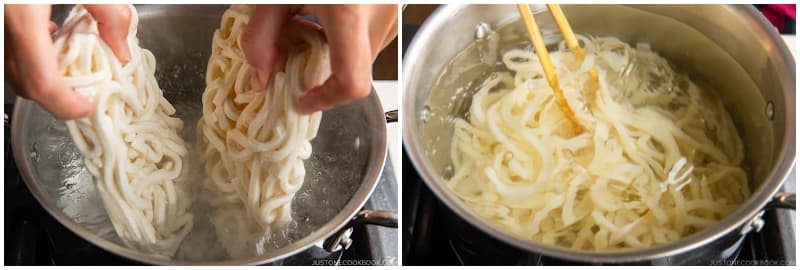
Image detailsCook 2 servings udon noodles in boiling water according to the package instructions. For frozen udon noodles, boil from frozen for 1 minute to reheat.Just One Cookbook · Beef Udon (Niku Udon) (Video) 肉うどんDev reference Checks1
TimingInfoTimingfor 1 minute
Target: 1 minute
Expected state: For frozen udon noodles, boil from frozen for 1 minute to reheat.
Why and source
This step has reviewed source-backed guidance.
Step 14
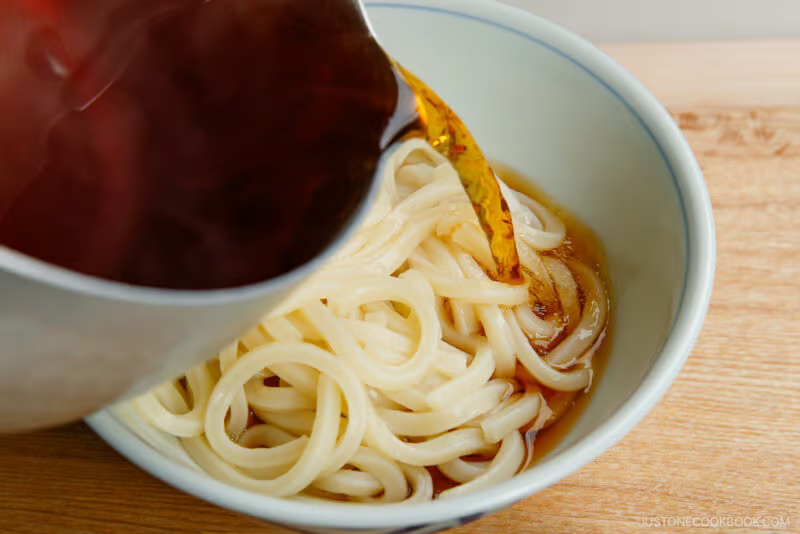
Divide the drained udon noodles into individual serving bowls and pour the hot broth to cover.
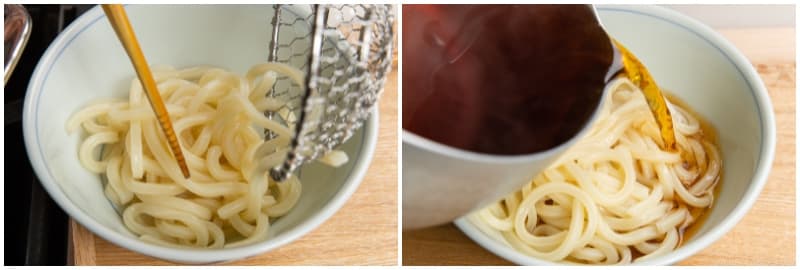
Image detailsDivide the drained udon noodles into individual serving bowls and pour the hot broth to cover.Just One Cookbook · Beef Udon (Niku Udon) (Video) 肉うどんDev reference Checks1
ServiceMain recipeSource service instruction
Divide the drained udon noodles into individual serving bowls and pour the hot broth to cover.
Why and source
This step has reviewed source-backed guidance.
Step 15
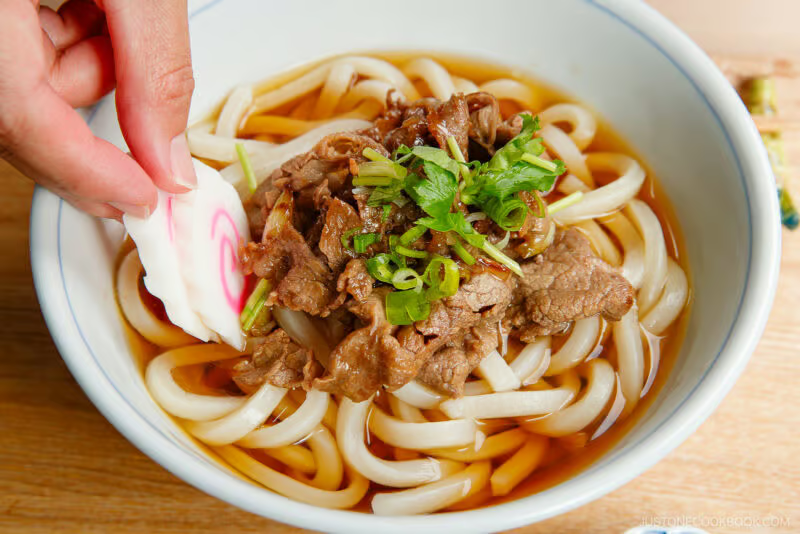
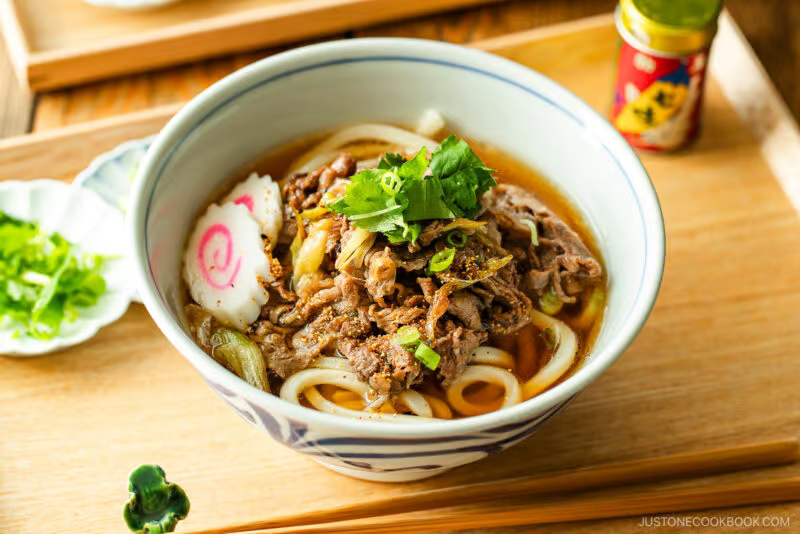
Place the stir-fried beef, narutomaki, green onions, and mitsuba on top. If you like it spicy, sprinkle shichimi togarashi (Japanese seven spice) on top. Enjoy!
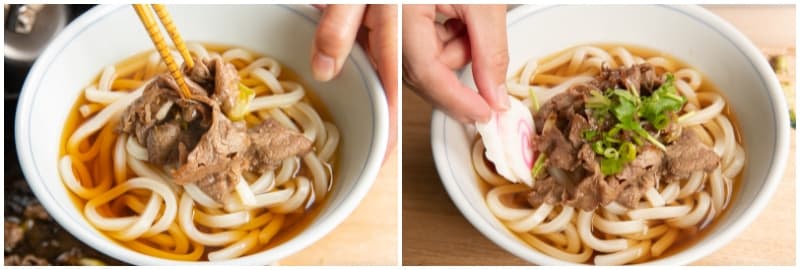
Image detailsPlace the stir-fried beef, narutomaki, green onions, and mitsuba on top. If you like it spicy, sprinkle shichimi togarashi (Japanese seven spice) on top. Enjoy!Just One Cookbook · Beef Udon (Niku Udon) (Video) 肉うどんDev reference Inputs and tools1
Uses
- shichimi togarashi (Japanese seven spice) ((optional))
Step 16
You can keep the stir-fried beef, udon noodles, and broth separately in airtight containers and store them in the refrigerator for up to 3 days.
Step 17
In a medium saucepan, combine ⅓ cup mentsuyu (concentrated noodle soup base), 2⅓ cups water, and 1 Tbsp mirin and mix well. Bring the mixture to a gentle simmer over medium heat. Cover with a lid and turn off the heat. The udon broth is now ready to use.
medium heat
Handling and Storage
Reviewed hold, storage, make-ahead, and service-timing guidance.
Assemble
Build the bowls. ladle in hot broth, and top with the sweet-soy beef mixture.
Garnish with green onion, fish cake, mitsuba, and a pinch of shichimi togarashi to taste. Serve immediately while piping hot.
What to Serve with Beef Udon
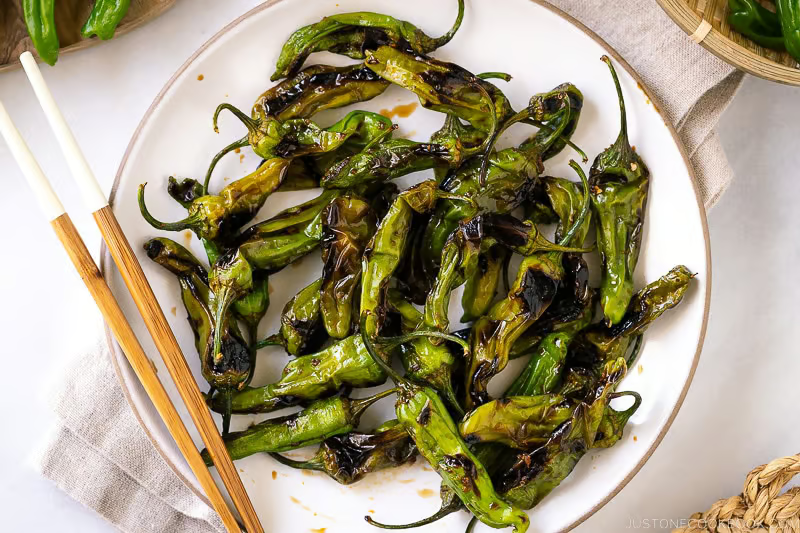
Blistered Shishito Peppers with Ginger Soy Sauce for a light veggie side.
Tomato Salad with Sesame Ponzu for a bright contrast.
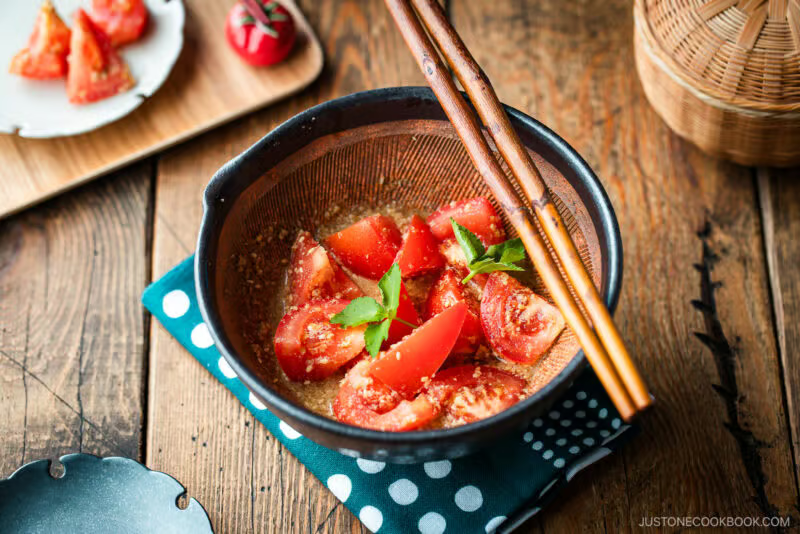
Storage and Reheating Tips
To store: Keep cooked beef, broth, and noodles in separate airtight containers in the refrigerator for up to 3 days.
To reheat: Warm the broth and beef together on the stove until hot; reheat noodles at the last minute.
Learn More
Extra cooking notes, tests, and source details kept out of the step-by-step method.
Why this works
Quick kitchen reasons behind the main choices.
Why I Love This Recipe
Perfect for beginners.
Super easy to make—even if you’re new to Japanese cooking! Savory beef and umami-rich dashi create a warm, soothing broth.
Preparation
Make dashi (Japanese soup stock).
Prepare your preferred stock; I often use a packet for speed. (Skip if you’re making the shortcut broth.) Season the broth: Stir soy sauce, mirin, sugar, and salt into the hot dashi, then keep it warm.
Show 3 more media items

Can I make it gluten-free?
Substitute wide rice noodles and use gluten-free soy sauce.
What if I have no mirin?
Mix 1 tablespoon sake (or water) with 1 teaspoon sugar for each tablespoon of mirin required.
The taste is slightly different but close enough for a weekday fix.
Article photos
Photos used with the article notes.
Source: Beef Udon (Niku Udon) (Video) 肉うどん
Recipe structure
Components and intermediate outputs created by the method.
Main recipe
Recipe card ingredients and steps.
2
Mixture
Source step 17 creates or uses mixture.
Sauce
Source step 4 creates or uses sauce.
Topping
Source step 7 creates or uses topping.
Recipe Utilities
Account actions, source details, export, and reporting stay available without interrupting the cooking flow.
Source and Origin
Origin declaration
Adapted from source
Imported from the just-one-cookbook page for dev review.
Copy risk: Unchecked
Beef Udon (Niku Udon) (Video) 肉うどん
Article
View source
My Kitchen Actions
Login is required.
My Kitchen keeps saved recipes, private notes, adaptations, cooking logs, imports, and exports tied to your account.
Export
Public recipe exports include only approved public content. Personal backup exports require login.
Export history
No exports yet.