Karaage (Japanese Fried Chicken)
Learn to make crispy, juicy Karaage (Japanese fried chicken) with tender chicken thighs marinated in aromatics and twice-fried until golden.
Dish: Karaage
Variant: Karaage (Japanese Fried Chicken)
- Total time
- 30 min
- Active time
- 15 min
- Yield
- 4
- Difficulty
- Medium
Ingredients and Constraints
Ingredients
Ingredient watchpoints4 watchpoints
Short requirements and tradeoffs to check while gathering ingredients; detailed source notes stay expandable.
Ginger
½ tsp ginger ((grated, with juice))
The source row includes a form, size, temperature, preparation, or handling detail.
Details and source
Potato Starch
2 Tbsp potato starch or cornstarch ((plus more, if needed))
The source ingredient row lists alternatives.
Details and source
Acceptable alternatives: Cornstarch
Potato Starch
2 Tbsp potato starch or cornstarch ((plus more, if needed))
The source row includes a form, size, temperature, preparation, or handling detail.
Details and source
All-purpose flour
2 Tbsp all-purpose flour (plain flour) ((plus more, if needed))
The source row includes a form, size, temperature, preparation, or handling detail.
Details and source
Additional ingredient notes
Ingredients for Karaage
Chicken thighs – boneless and skin-on Kosher salt and black pepper Ginger Garlic Soy sauce Sake Toasted sesame oil Neutral oil – read my post on the Best Neutral Oil for Cooking Potato starch – or cornstarch All-purpose flour Lemon wedges,
JUMP TO RECIPE Substitutions Chicken thighs: I’ve found that boneless, skin-on chicken thighs deliver the best results—the skin turns beautifully crispy while keeping the meat tender and juicy. That said, skinless thighs work too, if you prefer. If your chicken thighs come bone-in, you can ask your butcher to remove the bones or do it yourself at home with a sharp knife. Sake: If you can’t find this, I recommend using dry sherry or Chinese rice wine instead, or skip it. Potato starch: You could also use rice flour or corn starch instead. I have not tested this dish with tapioca starch, but please let me know how it turns out if you try it. All-purpose flour: For gluten-free, substitute with one of the starches instead.
Substitutions
Chicken thighs: I’ve found that boneless, skin-on chicken thighs deliver the best results—the skin turns beautifully crispy while keeping the meat tender and juicy.
That said, skinless thighs work too, if you prefer. If your chicken thighs come bone-in, you can ask your butcher to remove the bones or do it yourself at home with a sharp knife. Sake: If you can’t find this, I recommend using dry sherry or Chinese rice wine instead, or skip it. Potato starch: You could also use rice flour or corn starch instead. I have not tested this dish with tapioca starch, but please let me know how it turns out if you try it. All-purpose flour: For gluten-free, substitute with one of the starches instead.
Ingredients US CUSTOMARY METRIC 1X 2X 3X
1½ lb boneless, skin-on chicken thighs (4–6 pieces; read the blog post for details) ½ tsp Diamond Crystal kosher salt ⅛ tsp freshly ground black pepper For the Marinade ½ tsp ginger (grated, with juice) 1 clove garlic ½–1 Tbsp soy sauce ½ T
Method Overview
Structured method notes that are separate from the step timeline.
What is Karaage?
Karaage (唐揚げ) is a Japanese cooking method where we coat meat or veggies in flour before deep-frying.
While technically anything can be prepared in this style, the term is primarily associated with Japanese fried chicken. Karaage is a staple appetizer in Japanese gastropubs (izakaya) and ramen shops and a main dish in bento box lunches and Japanese home-cooked meals.
Preparation
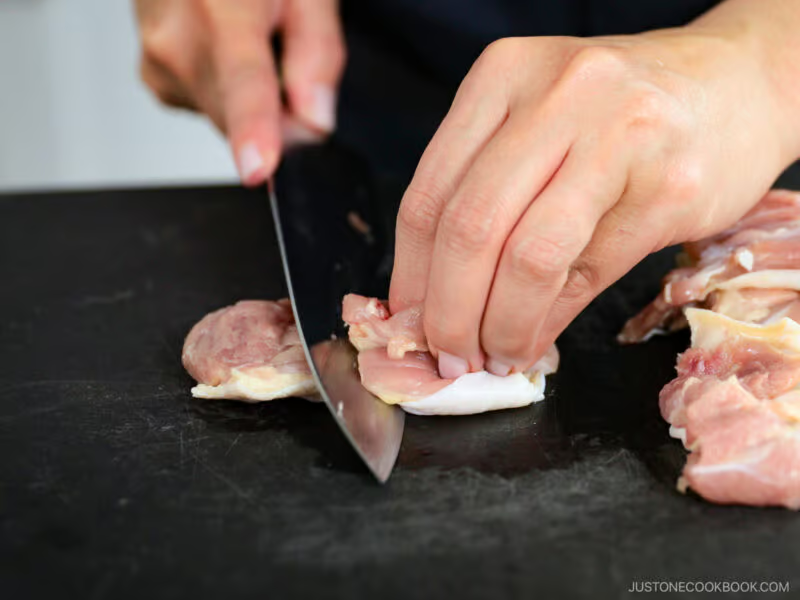
Step 1 – Prepare the chicken.
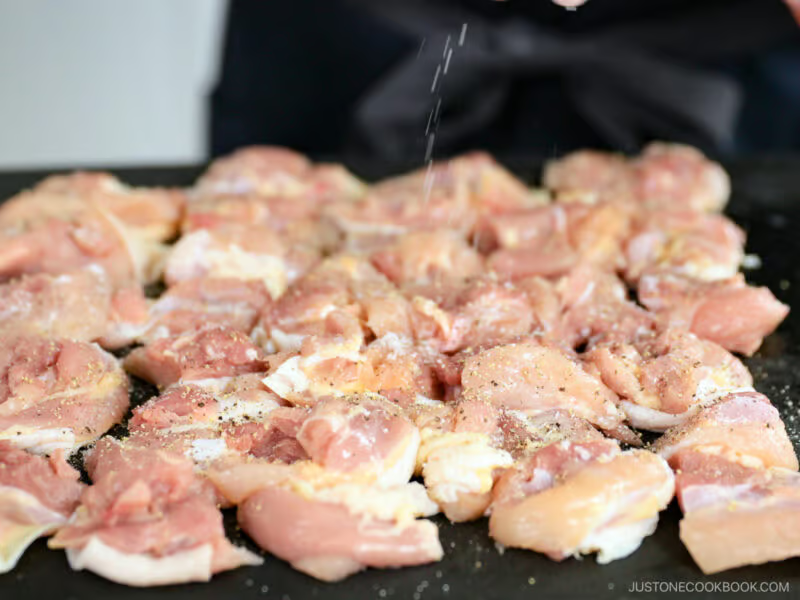
Slice the chicken thighs into 2-inch pieces and season with salt and pepper. Place it in a large bowl.
Show 5 more media items
Cooking
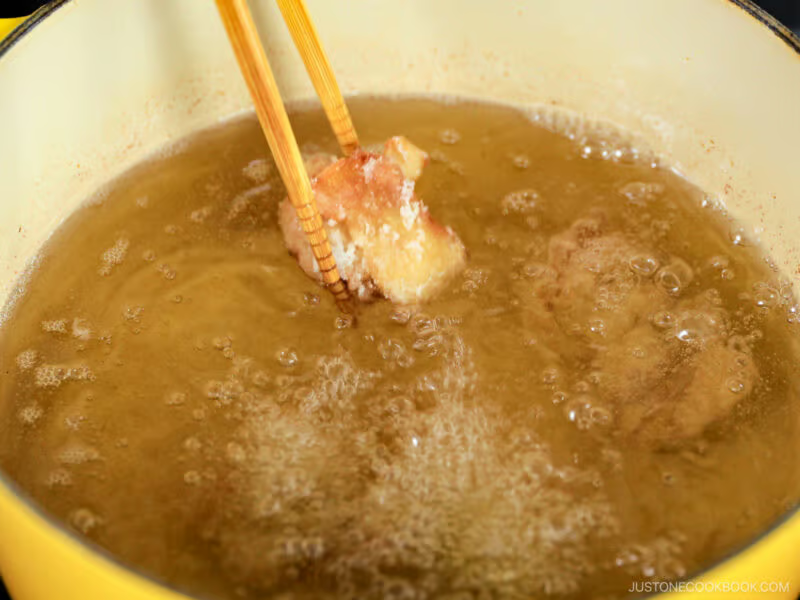
Step 5 – Fry in batches.
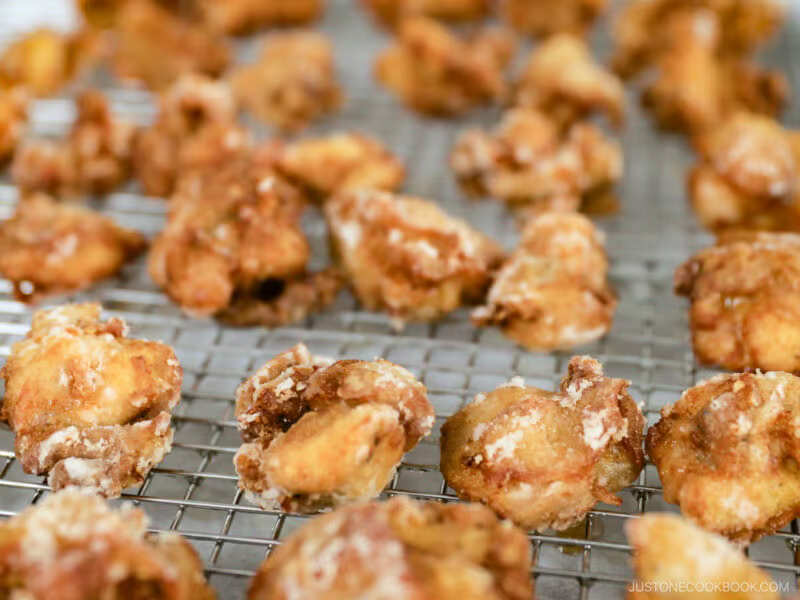
Submerge several chicken pieces in the hot oil and fry for 90 seconds. Transfer the chicken to a wire rack to drain the excess oil.
Show 1 more media item
Nami’s Recipe Tips
Cut the chicken into evenly sized pieces – This helps ensure that all the pieces cook at the same rate.
When the chicken is uniform in size, you avoid undercooking some pieces while overcooking others. Don’t marinate too long – I’ve found that 30 minutes is ideal for the chicken to soak in the flavors.
Variations and Customizations
Like many versions of fried chicken, my recipe has a lot of room to modify and adjust to your preferences.
Here are some of my suggestions. Use other cuts of chicken.
Source video
Source video
Method Timeline
Prep
ActivePrep
15 min
Prep time from the source recipe card.
Cook
ActiveCook
15 min
Cook time from the source recipe card.
Total
PassiveTotal
30 min
Total time from the source recipe card.
Step 1
Before You Start…Please note that this recipe requires 30 minutes of marinating time. Gather all the ingredients.
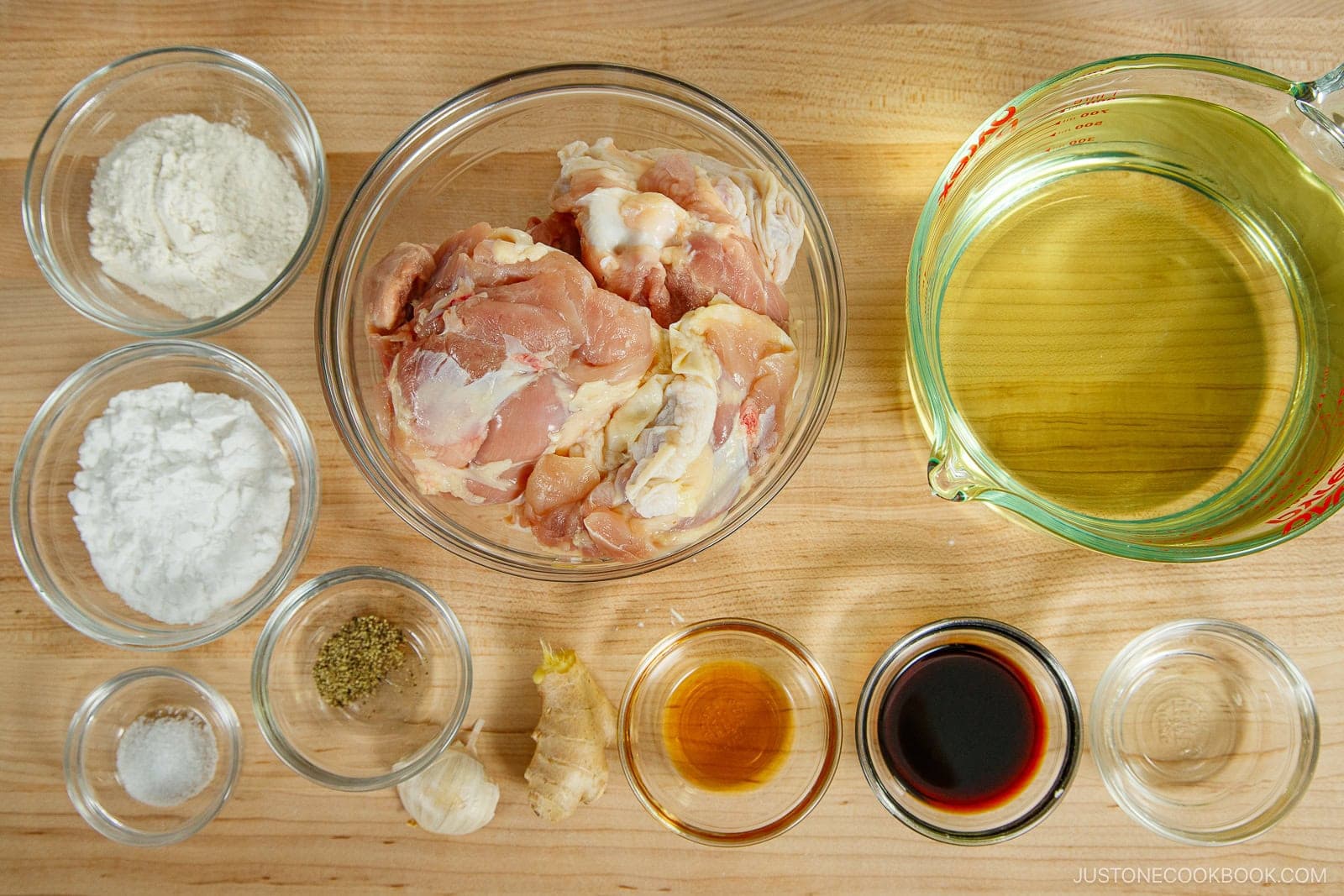
Image detailsBefore You Start…Please note that this recipe requires 30 minutes of marinating time. Gather all the ingredients.Just One Cookbook · Karaage (Japanese Fried Chicken) (Video) 唐揚げDev reference Checks1
TimingInfoTiming30 minutes
Target: 30 minute
Expected state: Before You Start…Please note that this recipe requires 30 minutes of marinating time.
Why and source
This step has reviewed source-backed guidance.
Step 2
Prepare 1½ lb boneless, skin-on chicken thighs by cutting each into 2-inch (5-cm) pieces. Season with ½ tsp Diamond Crystal kosher salt and ⅛ tsp freshly ground black pepper.
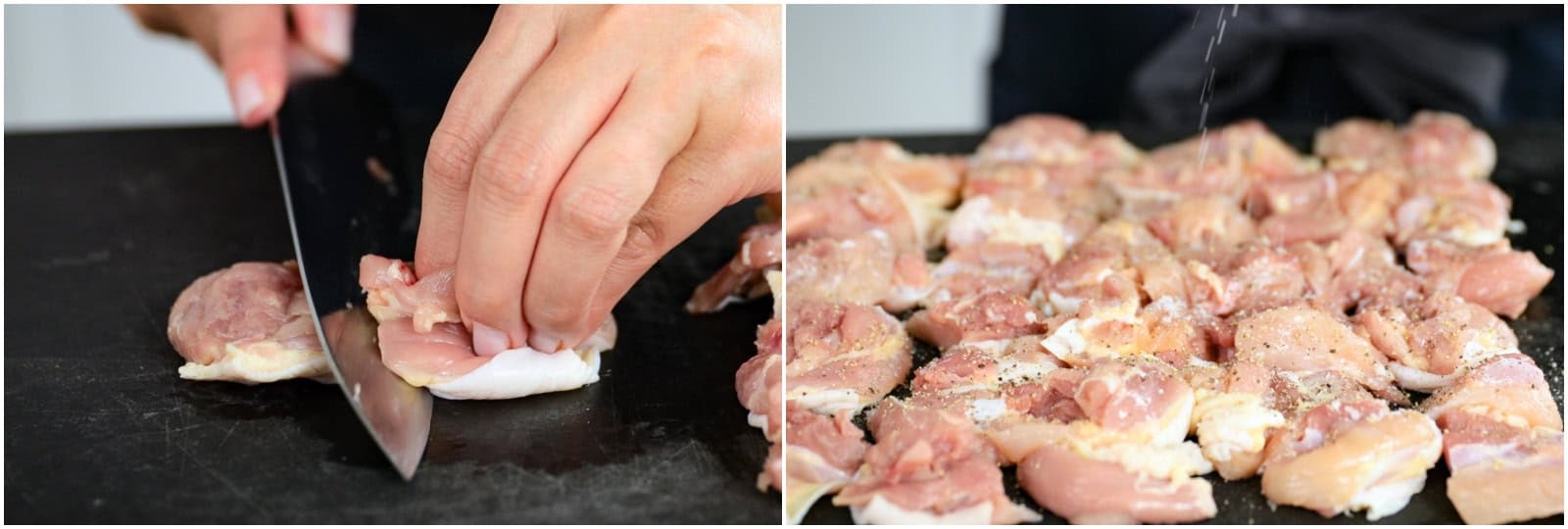
Image detailsPrepare 1½ lb boneless, skin-on chicken thighs by cutting each into 2-inch (5-cm) pieces. Season with ½ tsp Diamond Crystal kosher salt and ⅛ tsp freshly ground black pepper.Just One Cookbook · Karaage (Japanese Fried Chicken) (Video) 唐揚げDev reference Inputs and tools3
Uses
- 1½ lb boneless, skin-on chicken thighs ((4–6 pieces; read the blog post for details))
- ½ tsp Diamond Crystal kosher salt
- ⅛ tsp freshly ground black pepper
Step 3
Now, grate the ginger (I use a ceramic grater) and measure ½ tsp ginger (grated, with juice). Add it to a large bowl. Mince or press 1 clove garlic (I use a garlic press) and add it to the bowl.
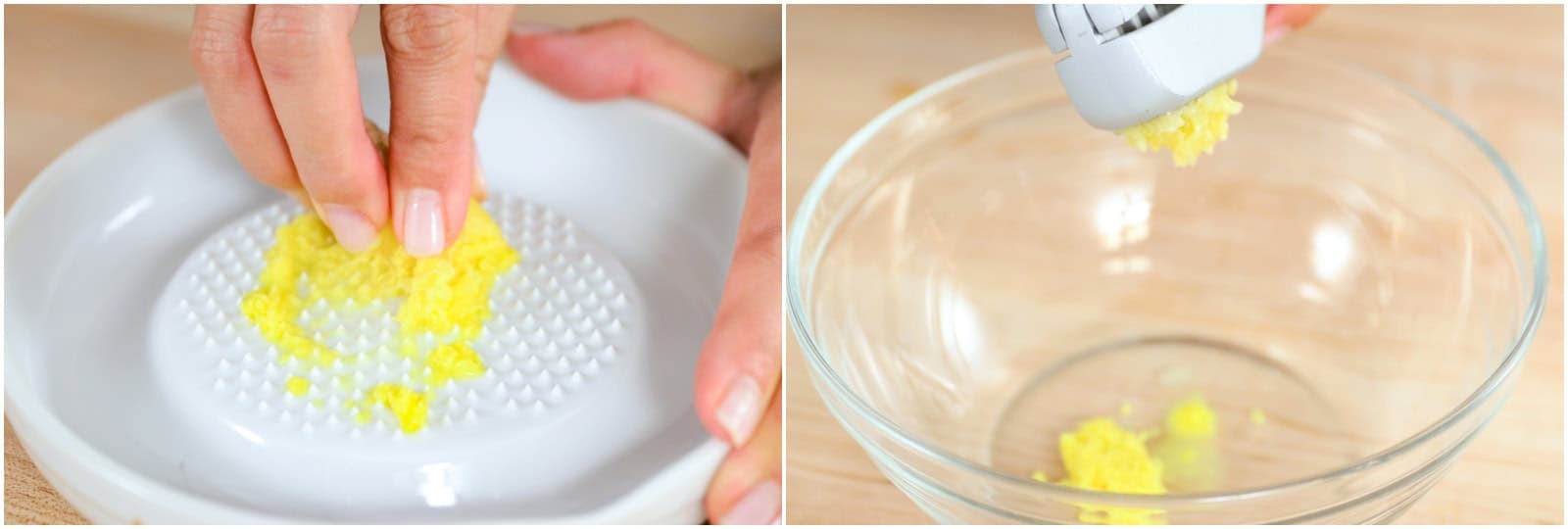
Image detailsNow, grate the ginger (I use a ceramic grater) and measure ½ tsp ginger (grated, with juice). Add it to a large bowl. Mince or press 1 clove garlic (I use a garlic press) and add it to the bowl.Just One Cookbook · Karaage (Japanese Fried Chicken) (Video) 唐揚げDev reference Inputs and tools2
Uses
- ½ tsp ginger ((grated, with juice))
- 1 clove garlic
Step 4
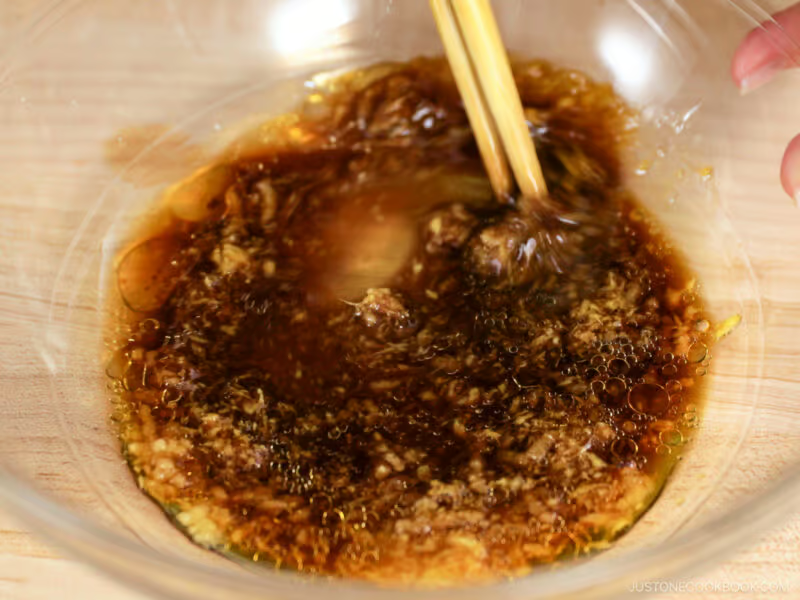
Add ½–1 Tbsp soy sauce, ½ Tbsp sake, and ½ tsp toasted sesame oil to the ginger and garlic. Whisk to combine.
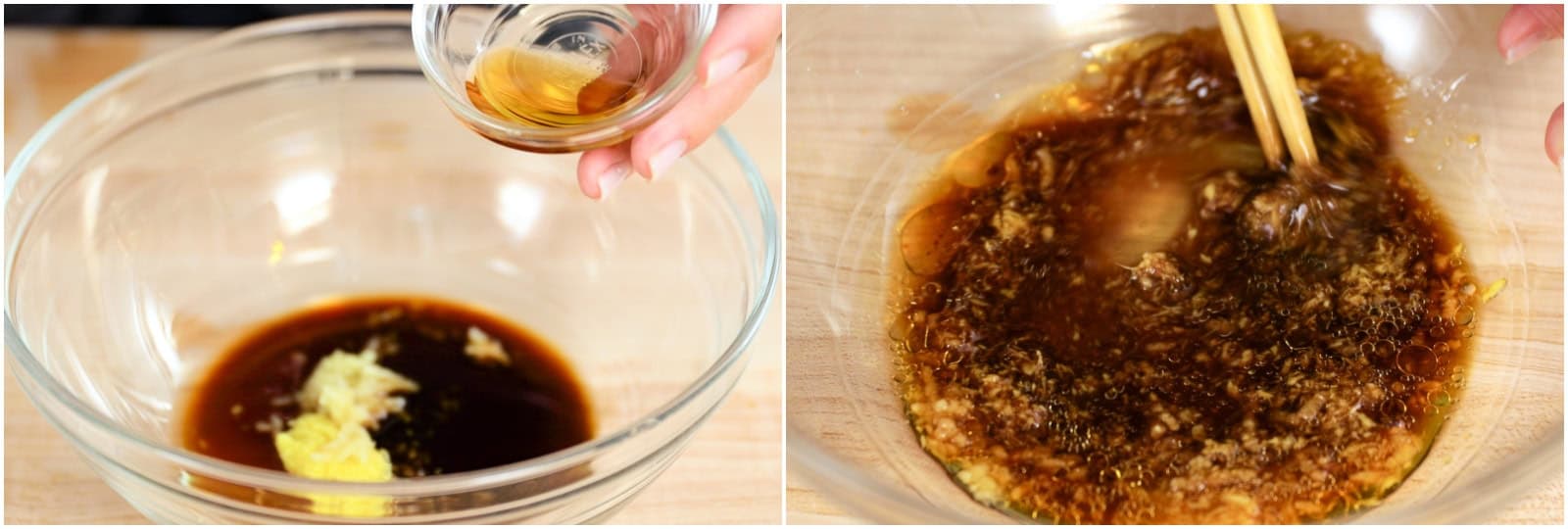
Image detailsAdd ½–1 Tbsp soy sauce, ½ Tbsp sake, and ½ tsp toasted sesame oil to the ginger and garlic. Whisk to combine.Just One Cookbook · Karaage (Japanese Fried Chicken) (Video) 唐揚げDev reference Inputs and tools4
Uses
- ½–1 Tbsp soy sauce
- ½ Tbsp sake ((or substitute dry sherry, Chinese rice wine, or skip it))
- ½ tsp toasted sesame oil
- 3–4 cups neutral oil
Step 5
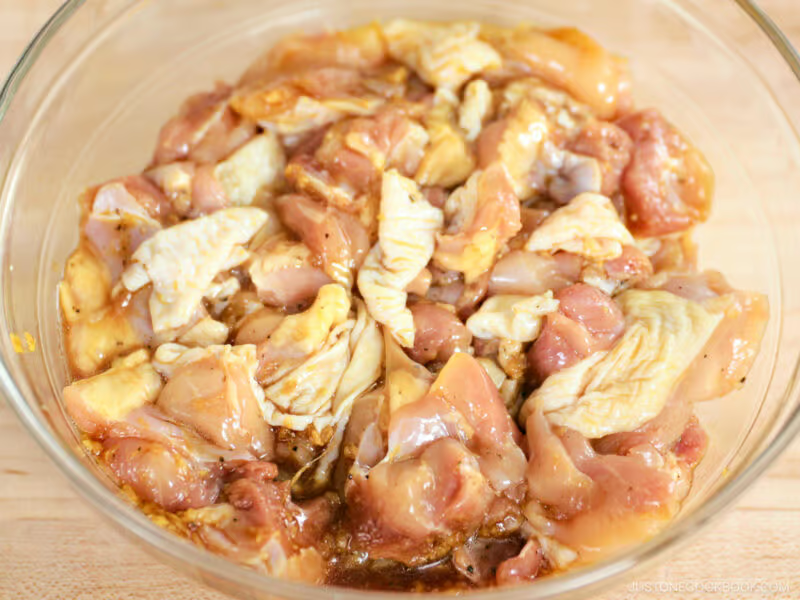
Add the chicken to the marinade and mix it with your hands. Cover and marinate in the refrigerator for 30 minutes.
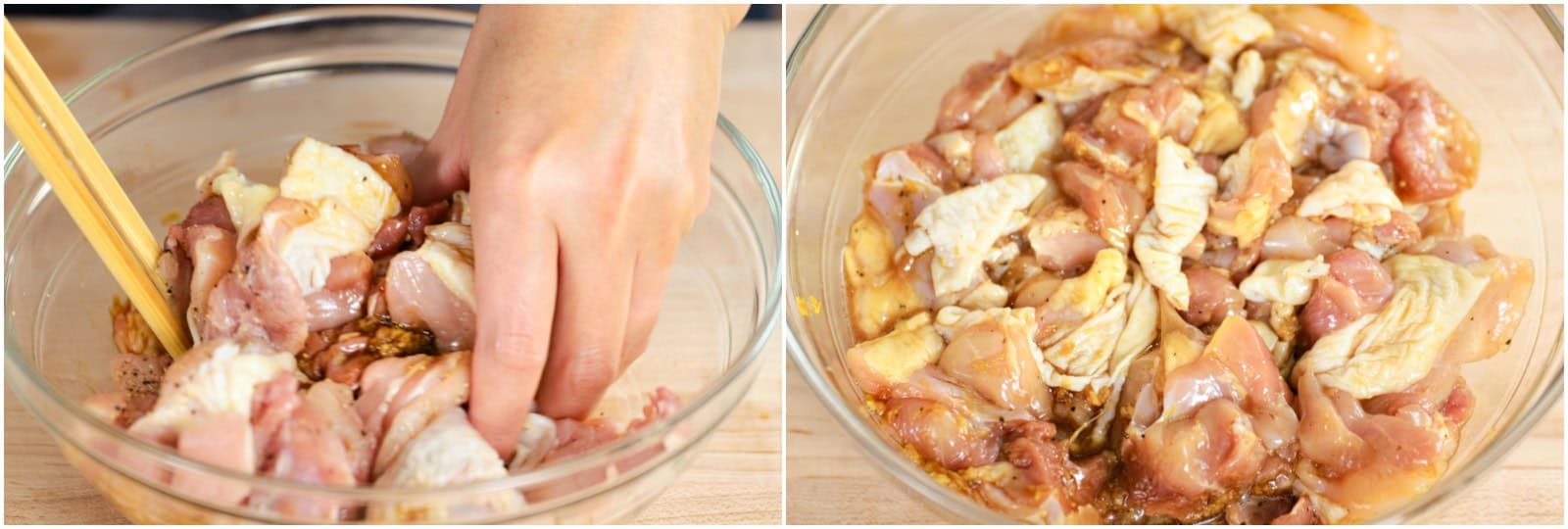
Image detailsAdd the chicken to the marinade and mix it with your hands. Cover and marinate in the refrigerator for 30 minutes.Just One Cookbook · Karaage (Japanese Fried Chicken) (Video) 唐揚げDev reference Checks1
TimingInfoTimingfor 30 minutes
Target: 30 minute
Expected state: Cover and marinate in the refrigerator for 30 minutes.
Why and source
This step has reviewed source-backed guidance.
Step 6
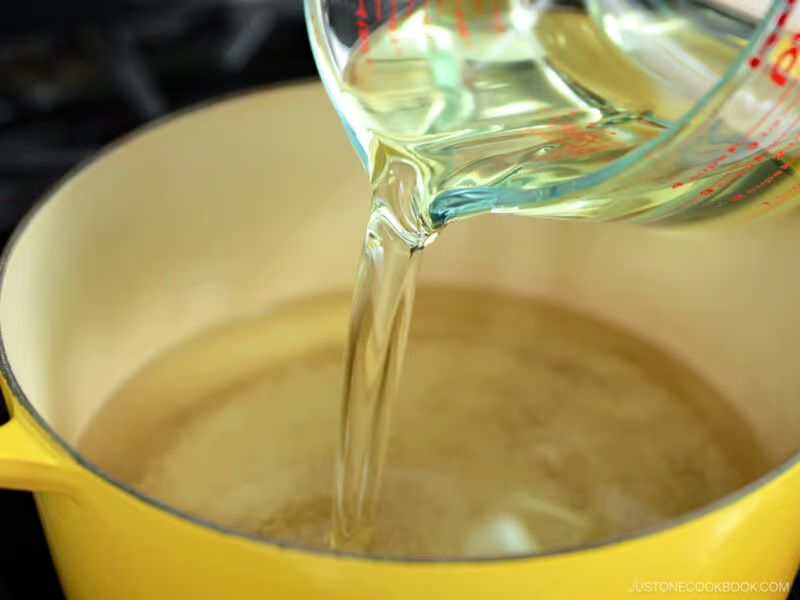
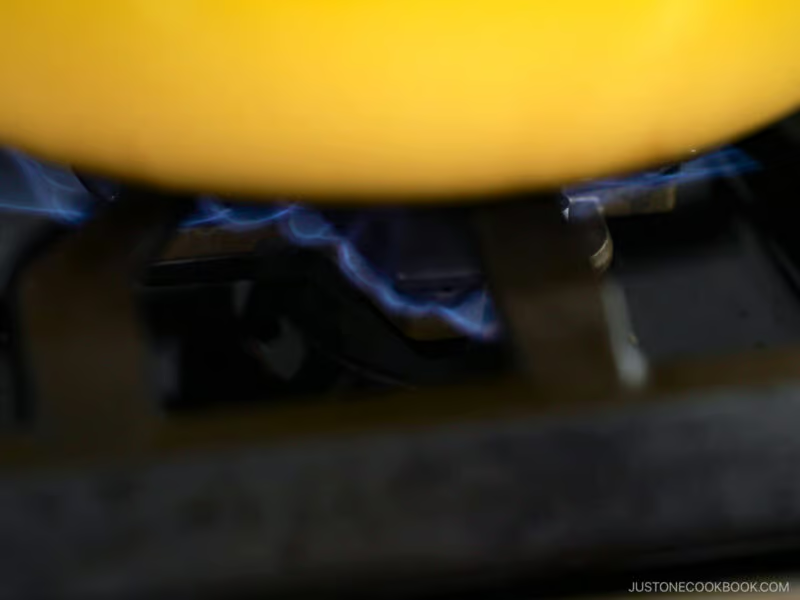
While the chicken is marinating, prepare the oil for deep-frying. Pour about 3–4 cups neutral oil into a heavy-bottomed pot (I like using the 2.75-QT Staub), until you have at least 1 to 1½ inches (2.5 to 3.8 cm) of oil. Heat it to 325ºF (160ºC) over medium-low heat so you have enough time to prep the chicken.
low heat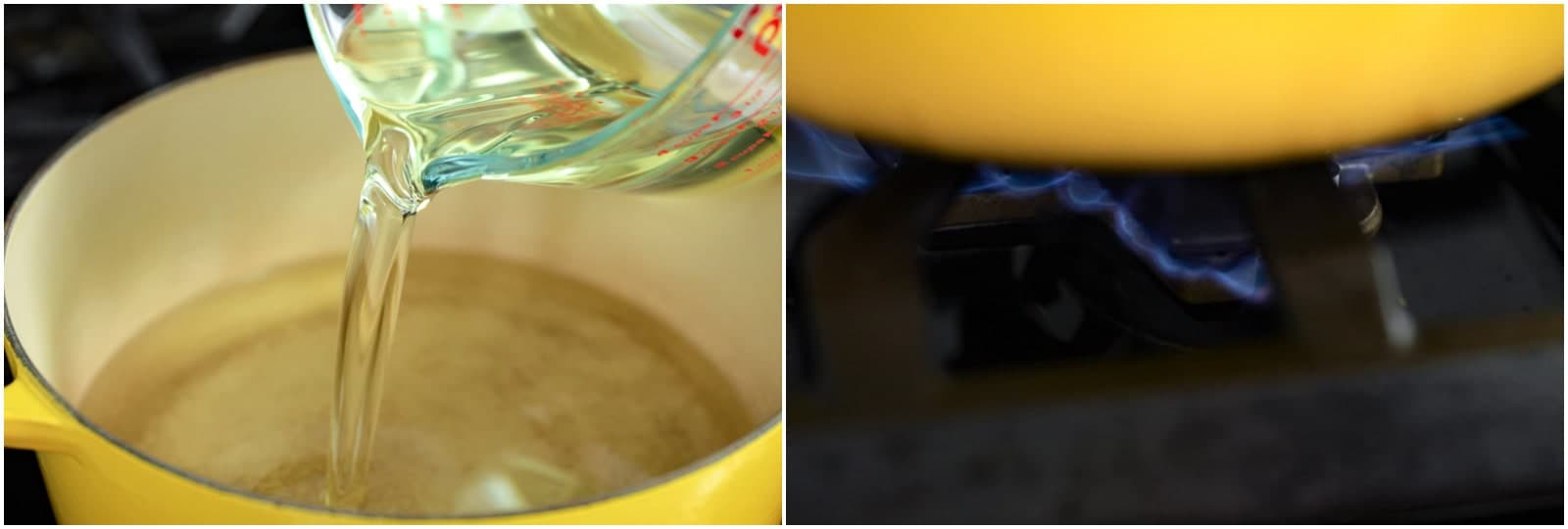
Image detailsWhile the chicken is marinating, prepare the oil for deep-frying. Pour about 3–4 cups neutral oil into a heavy-bottomed pot (I like using the 2.75-QT Staub), until you have at least 1 to 1½ inches (2.5 to 3.8 cm) of oil. Heat it to 325ºF (160ºC) over medium-low heat so you have enough time to prep the chicken.Just One Cookbook · Karaage (Japanese Fried Chicken) (Video) 唐揚げDev reference Visual cue
until you have at least 1 to 1½ inches (2.
Checks1
Visual cueInfoVisualuntil you have at least 1 to 1½ inches (2.
Expected state: until you have at least 1 to 1½ inches (2.
Why and source
This step has reviewed source-backed guidance.
Step 7
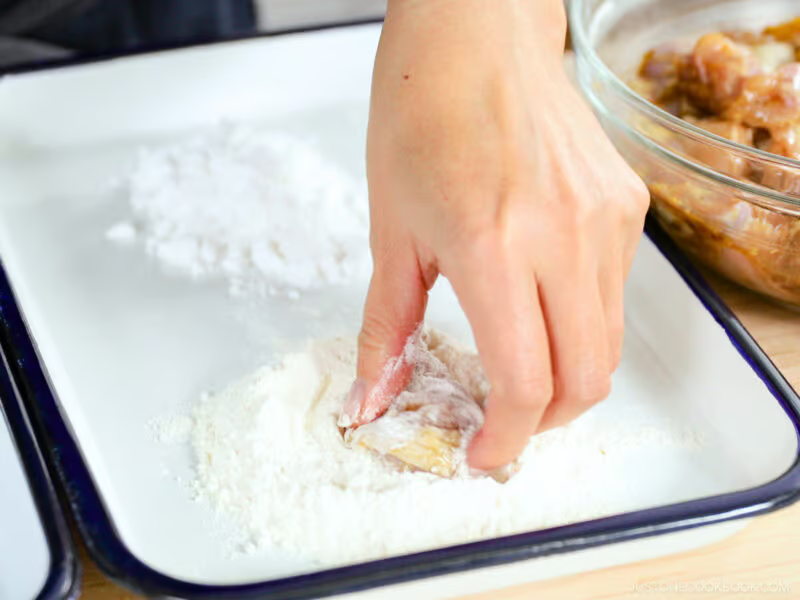
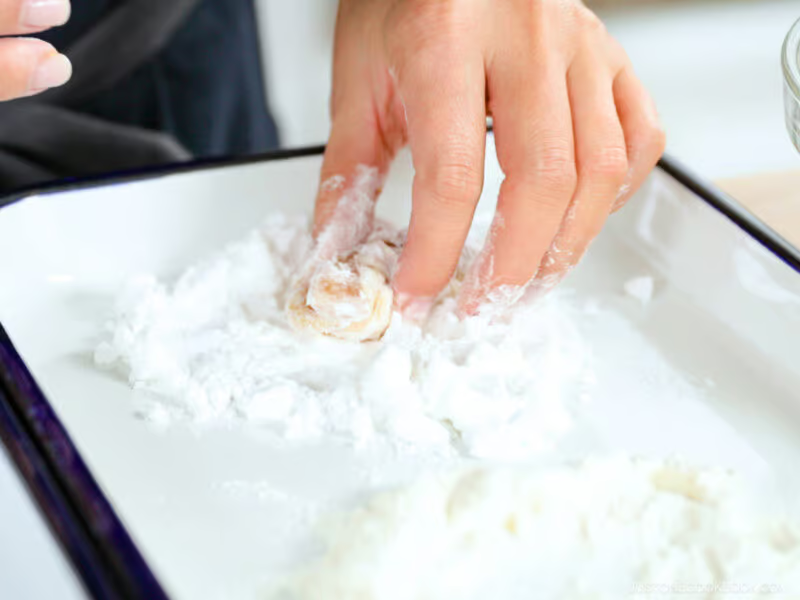
Meanwhile, dredge the chicken pieces. Prepare separate piles of 2 Tbsp all-purpose flour (plain flour) and 2 Tbsp potato starch or cornstarch in a tray. Lightly coat a piece of marinated chicken in the flour and dust off the excess.
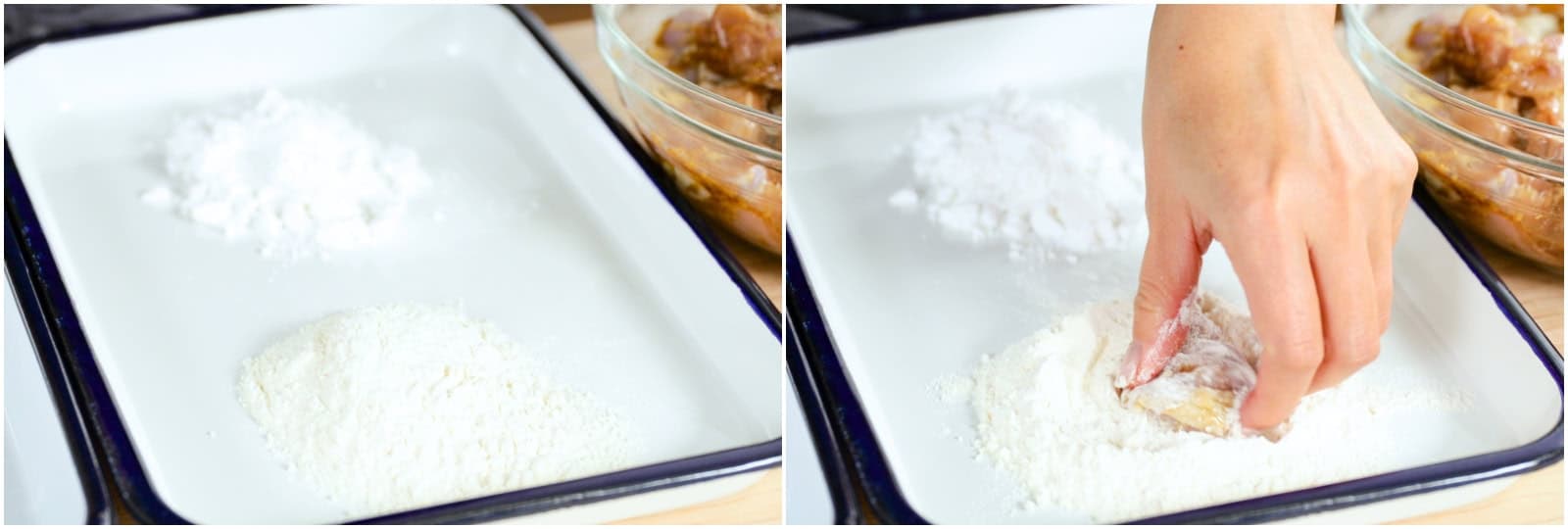
Image detailsMeanwhile, dredge the chicken pieces. Prepare separate piles of 2 Tbsp all-purpose flour (plain flour) and 2 Tbsp potato starch or cornstarch in a tray. Lightly coat a piece of marinated chicken in the flour and dust off the excess.Just One Cookbook · Karaage (Japanese Fried Chicken) (Video) 唐揚げDev reference Inputs and tools2
Uses
- 2 Tbsp potato starch or cornstarch ((plus more, if needed))
- 2 Tbsp all-purpose flour (plain flour) ((plus more, if needed))
Step 8
Next, dredge it in the potato starch and shake off the excess. Place it in a separate tray. Continue with the remaining chicken pieces.
Step 9
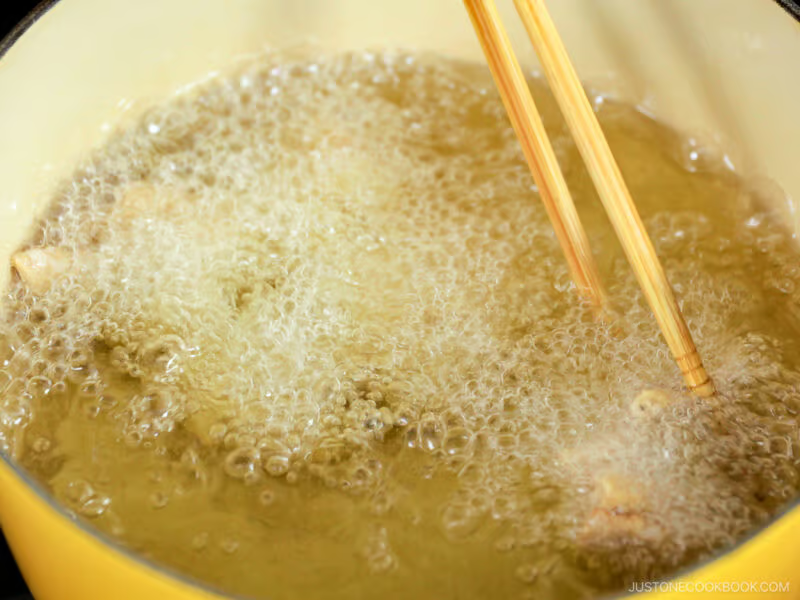
Check that the oil temperature has reached 325ºF (160ºC). Tip: If you don‘t have an instant read thermometer, insert a wooden chopstick into the oil; you‘ll know it‘s hot enough if small bubbles start to appear around the tip. For more helpful tips, see my post How to Deep-Fry Food. When it's ready, gently add 3 to 5 chicken pieces at a time to the hot oil. Do not overcrowd the pot. Tip: If you add too many pieces at once, the oil temperature will drop quickly, and the chicken will absorb too much oil.
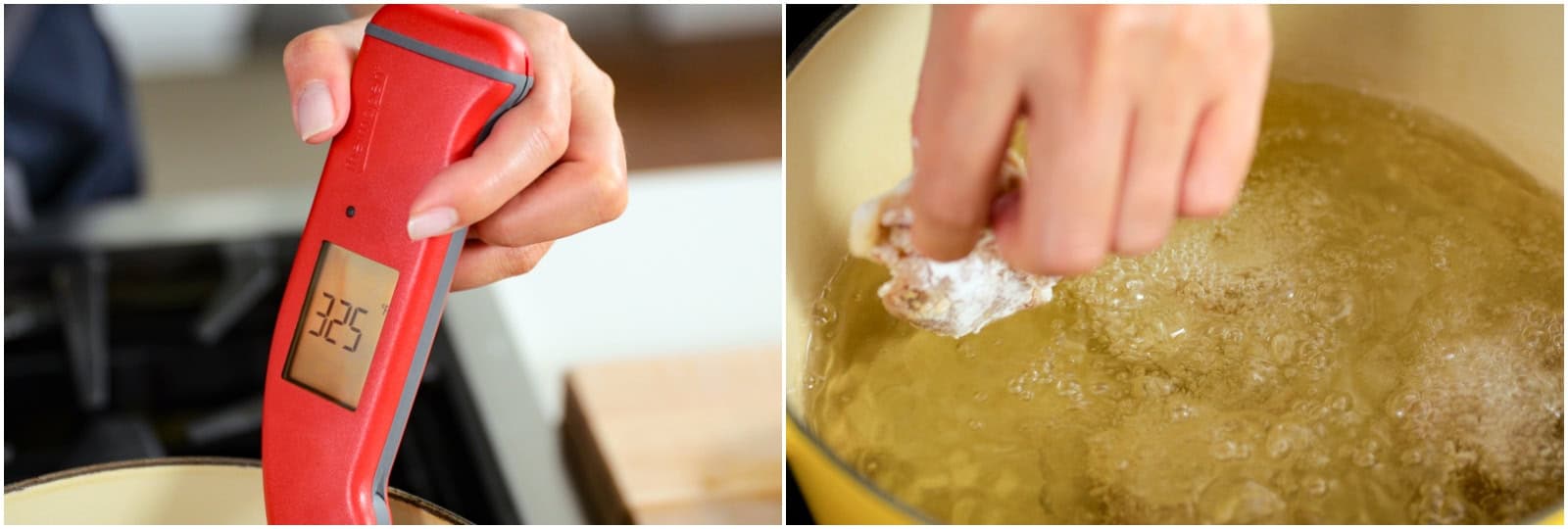
Image detailsCheck that the oil temperature has reached 325ºF (160ºC). Tip: If you don‘t have an instant read thermometer, insert a wooden chopstick into the oil; you‘ll know it‘s hot enough if small bubbles start to appear around the tip. For more helpful tips, see my post How to Deep-Fry Food.When it's ready, gently add 3 to 5 chicken pieces at a time to the hot oil. Do not overcrowd the pot. Tip: If you add too many pieces at once, the oil temperature will drop quickly, and the chicken will absorb too much oil.Just One Cookbook · Karaage (Japanese Fried Chicken) (Video) 唐揚げDev reference Visual cue
once, the oil temperature will drop quickly, and the chicken will absorb too much oil.
Checks1
Visual cueInfoVisualonce, the oil temperature will drop quickly, and the chicken will absorb too much oil.
Expected state: once, the oil temperature will drop quickly, and the chicken will absorb too much oil.
Why and source
This step has reviewed source-backed guidance.
Step 10
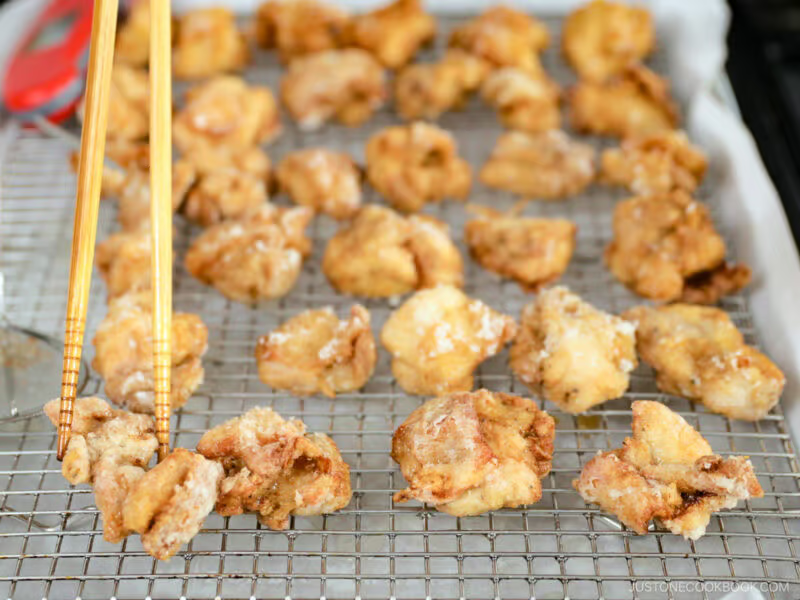
Deep-fry for 90 seconds, or until the chicken is a light golden color. Transfer to a wire rack to drain the excess oil. Tip: If the chicken browns too quickly, then the oil temperature is too high. Either put a few more pieces of chicken in the oil or lower the heat setting. Controlling the oil temperature at all times is very important for deep-frying.
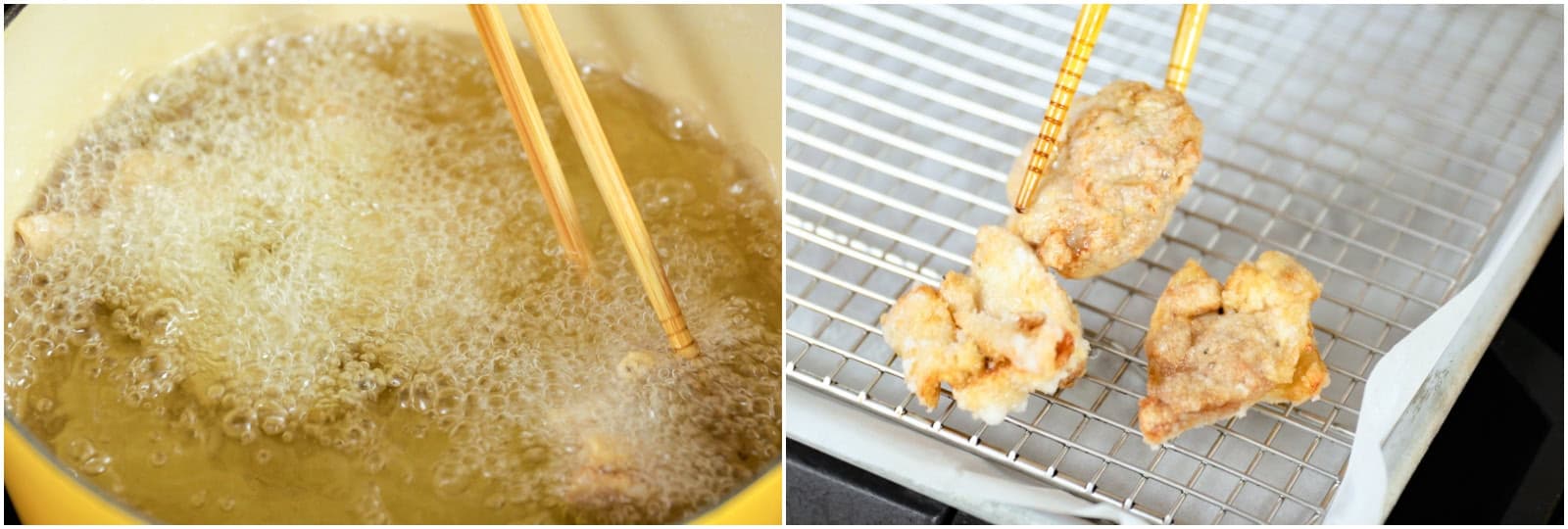
Image detailsDeep-fry for 90 seconds, or until the chicken is a light golden color. Transfer to a wire rack to drain the excess oil. Tip: If the chicken browns too quickly, then the oil temperature is too high. Either put a few more pieces of chicken in the oil or lower the heat setting. Controlling the oil temperature at all times is very important for deep-frying.Just One Cookbook · Karaage (Japanese Fried Chicken) (Video) 唐揚げDev reference Visual cue
until the chicken is a light golden color.
Checks2
Visual cueInfoVisualuntil the chicken is a light golden color.
Expected state: until the chicken is a light golden color.
TimingInfoTimingfor 90 seconds
Target: 2 minute
Expected state: Deep-fry for 90 seconds, or until the chicken is a light golden color.
Why and source
This step has reviewed source-backed guidance.
Step 11
The residual heat will continue to cook the chicken as it rests. Continue to fry the remaining chicken pieces. Between batches, scoop up and discard the crumbs in the oil with a fine-mesh sieve. This keeps the oil clean and prevents it from becoming darker.
Step 12
Now, raise the oil temperature to 350ºF (180ºC). Place the first 3 to 5 pieces of rested chicken back into the oil and deep-fry for 45 seconds, or until the skin is golden brown and crispy. Transfer them to the wire rack to drain the excess oil. Continue frying the remaining chicken pieces.
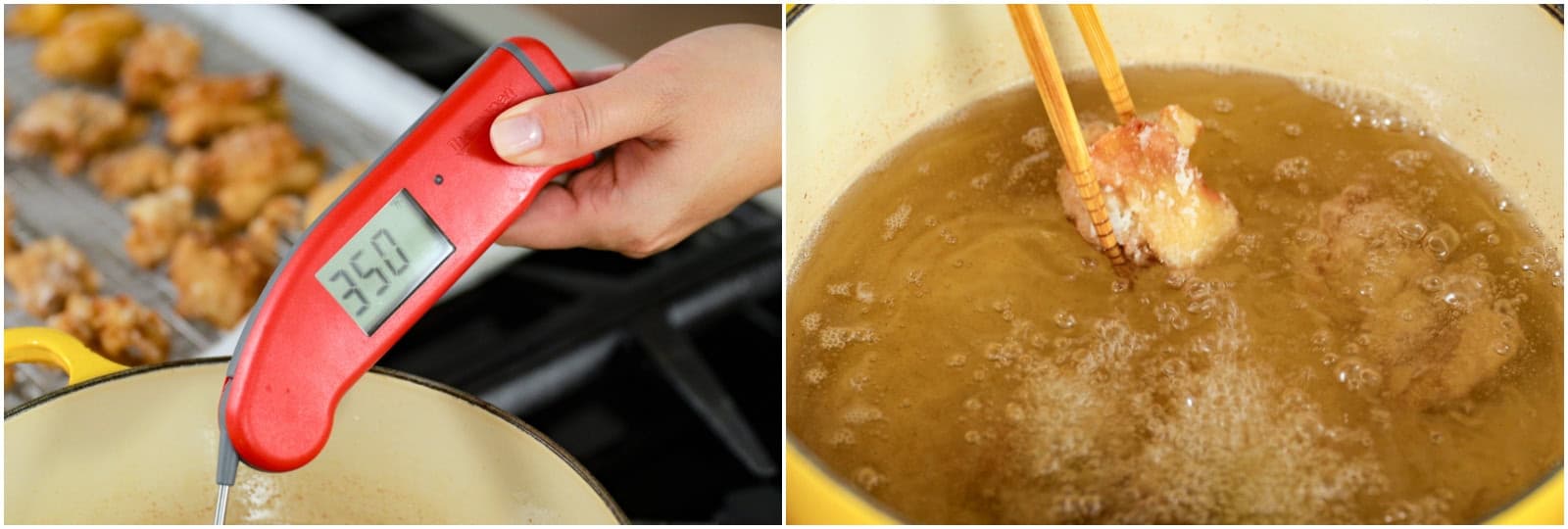
Image detailsNow, raise the oil temperature to 350ºF (180ºC). Place the first 3 to 5 pieces of rested chicken back into the oil and deep-fry for 45 seconds, or until the skin is golden brown and crispy. Transfer them to the wire rack to drain the excess oil. Continue frying the remaining chicken pieces.Just One Cookbook · Karaage (Japanese Fried Chicken) (Video) 唐揚げDev reference Visual cue
until the skin is golden brown and crispy.
Checks2
TextureInfoTextureuntil the skin is golden brown and crispy.
Expected state: until the skin is golden brown and crispy.
TimingInfoTimingfor 45 seconds
Target: 1 minute
Expected state: Place the first 3 to 5 pieces of rested chicken back into the oil and deep-fry for 45 seconds, or until the skin is golden brown and crispy.
Why and source
This step has reviewed source-backed guidance.
Step 13
The left photo shows the chicken pieces after the first fry and the right photo shows them after the second fry. The chicken pieces on the right are slightly darker in color.
Step 14
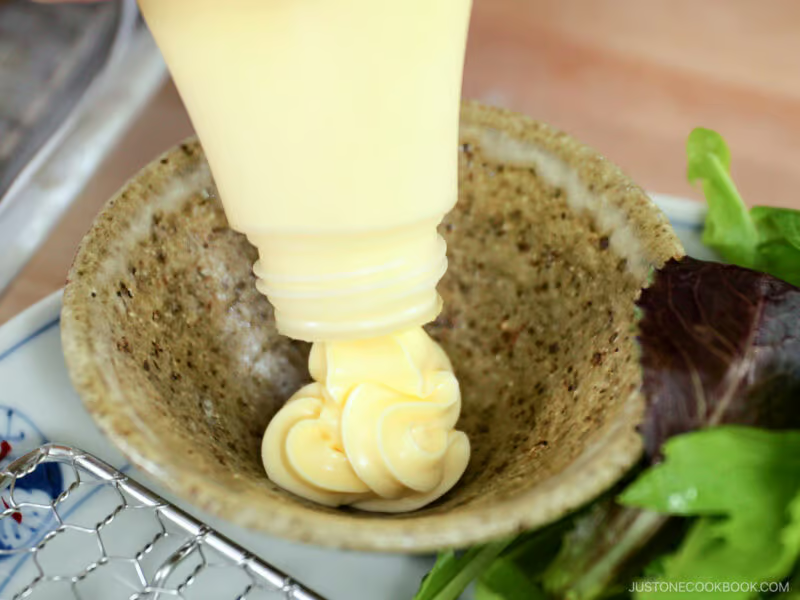
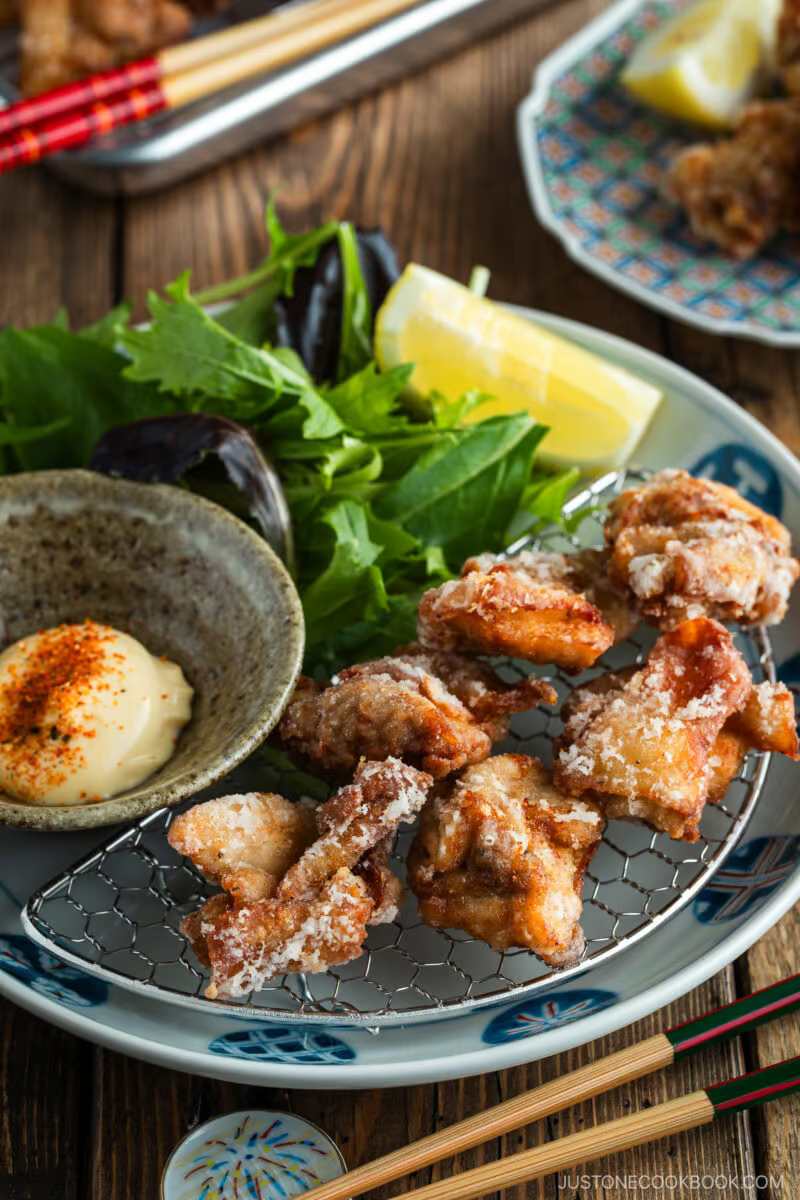
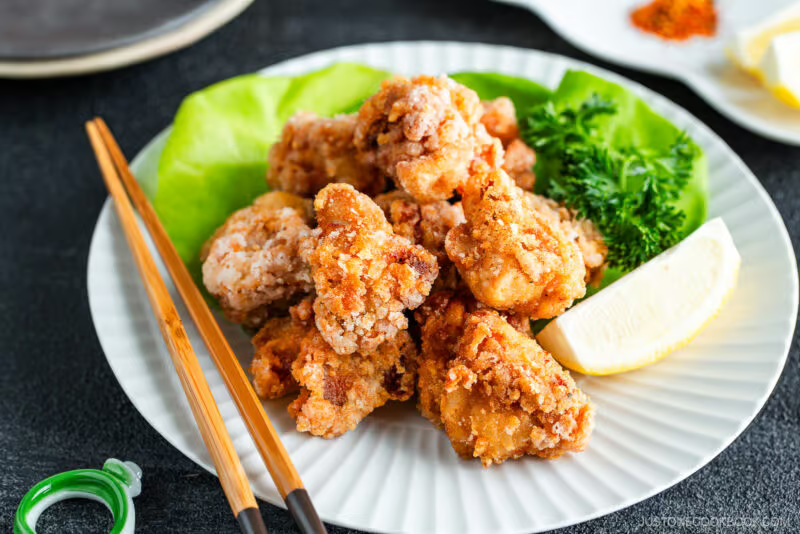
Serve the chicken hot with lemon wedges and a dipping plate of Japanese Kewpie mayonnaise. You can also sprinkle shichimi togarashi (Japanese seven spice) on the mayo for a bit of spice, if desired.
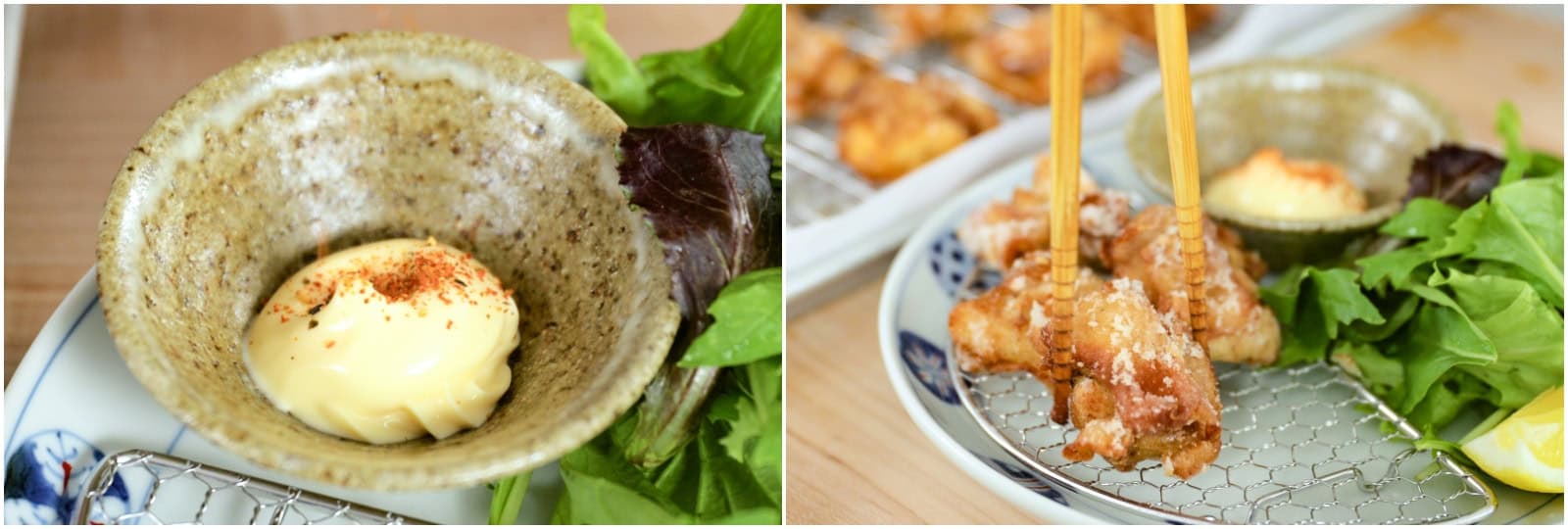
Image detailsServe the chicken hot with lemon wedges and a dipping plate of Japanese Kewpie mayonnaise. You can also sprinkle shichimi togarashi (Japanese seven spice) on the mayo for a bit of spice, if desired.Just One Cookbook · Karaage (Japanese Fried Chicken) (Video) 唐揚げDev reference Checks1
ServiceMain recipeSource service instruction
Serve the chicken hot with lemon wedges and a dipping plate of Japanese Kewpie mayonnaise. You can also sprinkle shichimi togarashi (Japanese seven spice) on the mayo for a bit of spice, if desired.
Inputs and tools3
Uses
- lemon wedges
- Japanese Kewpie mayonnaise
- shichimi togarashi (Japanese seven spice)
Why and source
This step has reviewed source-backed guidance.
Step 15
Let it cool completely and transfer to an airtight container. You can store it in the refrigerator for up to 3 days and in the freezer for up to a month.
Handling and Storage
Reviewed hold, storage, make-ahead, and service-timing guidance.
Assemble
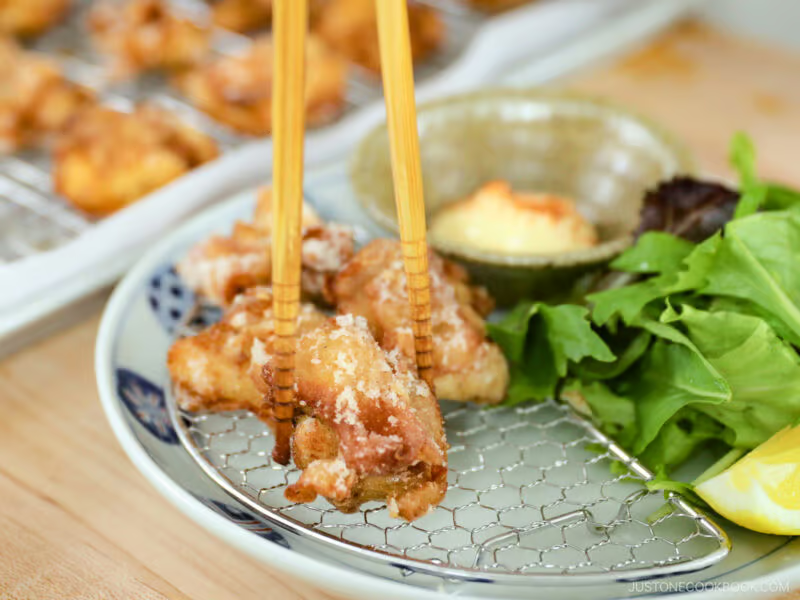
Serve the fried chicken warm with optional lemon wedges, Japanese Kewpie mayo, and a sprinkle of shichimi togarashi.
What to Serve with Karaage
With vegetable sides – Green Beans with Yuzu Vinaigrette always make for a bright and vibrant side.
With a salad – A refreshing Tomato Salad with Sesame Ponzu balances the rich fried texture of the chicken. With more appetizers – I recommend Gyoza for an additional shareable dish.
Storage and Reheating Tips
To store: Allow the chicken to cool completely, then refrigerate it in an airtight container for 3–4 days or freeze it for up to 3–4 months.
To reheat: Reheat leftovers in the oven at 350°F (180ºC) for 7–8 minutes or until warm and crispy throughout.
What is the difference between karaage and katsu?
Katsu refers to deep-fried cutlets and commonly uses panko-breaded chicken breast, while karaage uses bite-size chicken thighs that are coated in starch.
We serve katsu with a sweet-savory brown sauce called tonkatsu sauce. For karaage, we usually serve it with Japanese mayonnaise and a squeeze of lemon juice.
Learn More
Extra cooking notes, tests, and source details kept out of the step-by-step method.
Testing notes
Useful tests and side-by-side notes after the method is clear.
What’s the difference between karaage and tatsutaage?
While both karaage and tatsuta-age are beloved Japanese fried chicken dishes, they differ slightly in preparation and presentation.
Karaage is typically marinated in a mixture of soy sauce, sake, garlic, and ginger, then coated in either flour, potato starch, or a mix of both before frying. This gives it a golden, rustic appearance with bold, savory flavors.
Recipe structure
Components and intermediate outputs created by the method.
Main recipe
Recipe card ingredients and steps.
4
Marinade
Source step 5 creates or uses marinade.
Sauce
Source step 4 creates or uses sauce.
Recipe Utilities
Account actions, source details, export, and reporting stay available without interrupting the cooking flow.
Source and Origin
Origin declaration
Adapted from source
Imported from the just-one-cookbook page for dev review.
Copy risk: Unchecked
Karaage (Japanese Fried Chicken) (Video) 唐揚げ
Article
View source
My Kitchen Actions
Login is required.
My Kitchen keeps saved recipes, private notes, adaptations, cooking logs, imports, and exports tied to your account.
Export
Public recipe exports include only approved public content. Personal backup exports require login.
Export history
No exports yet.